

Skip to content

Shopping cart

Your shopping cart is empty

Speaker

Sort by

Filter

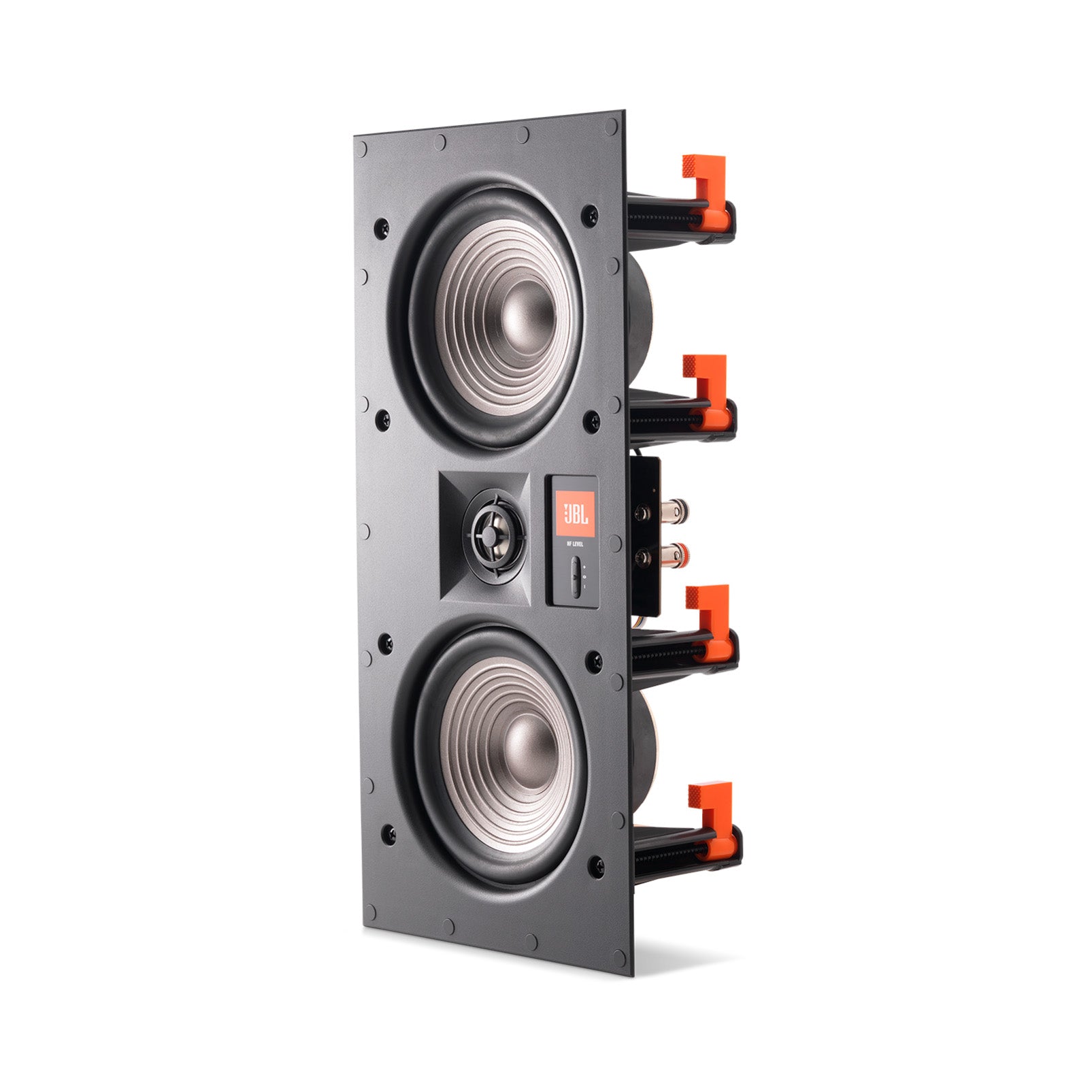
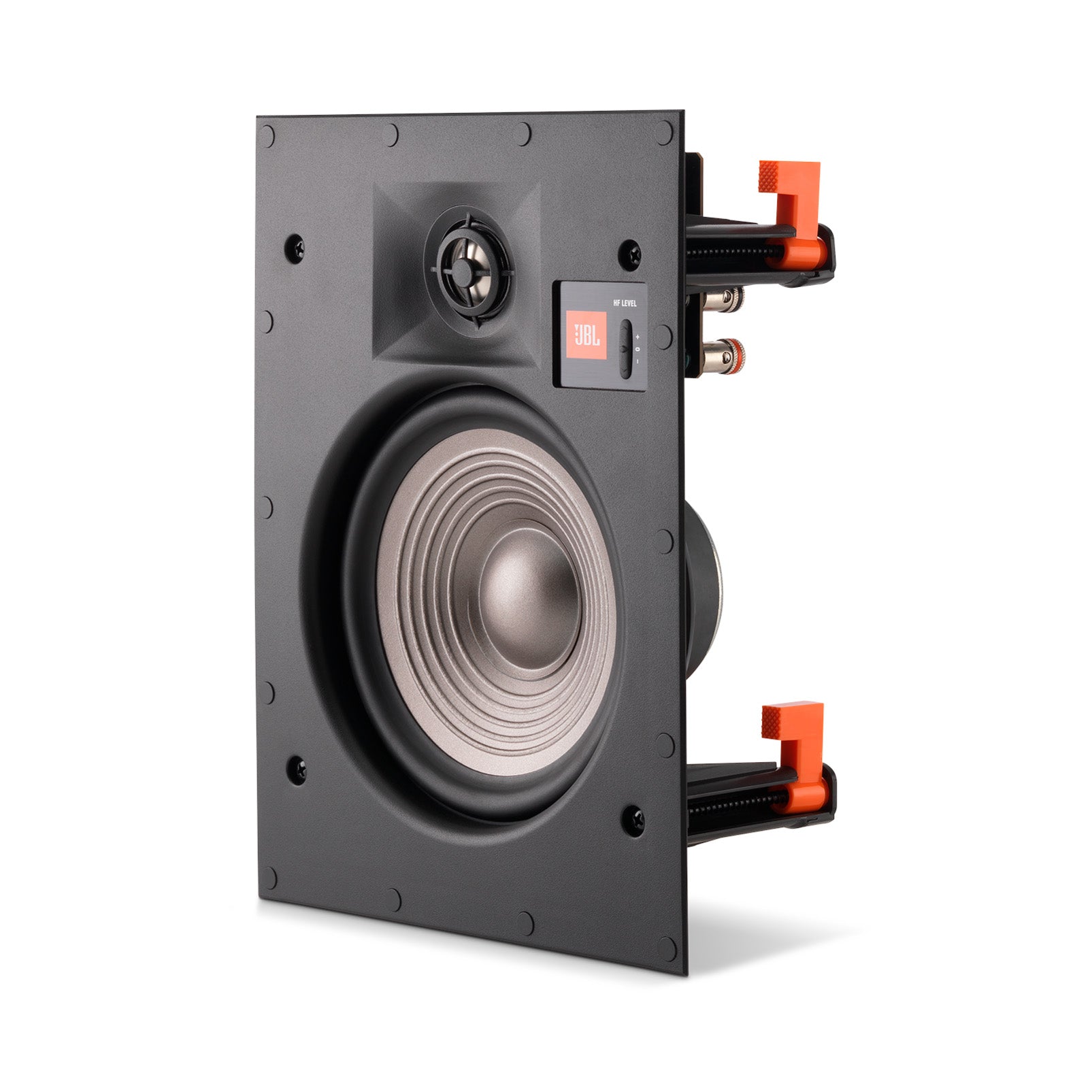
JBL Stage 240B
JBL Stage 240B
Compact speaker
Sale price  / Set $440.00
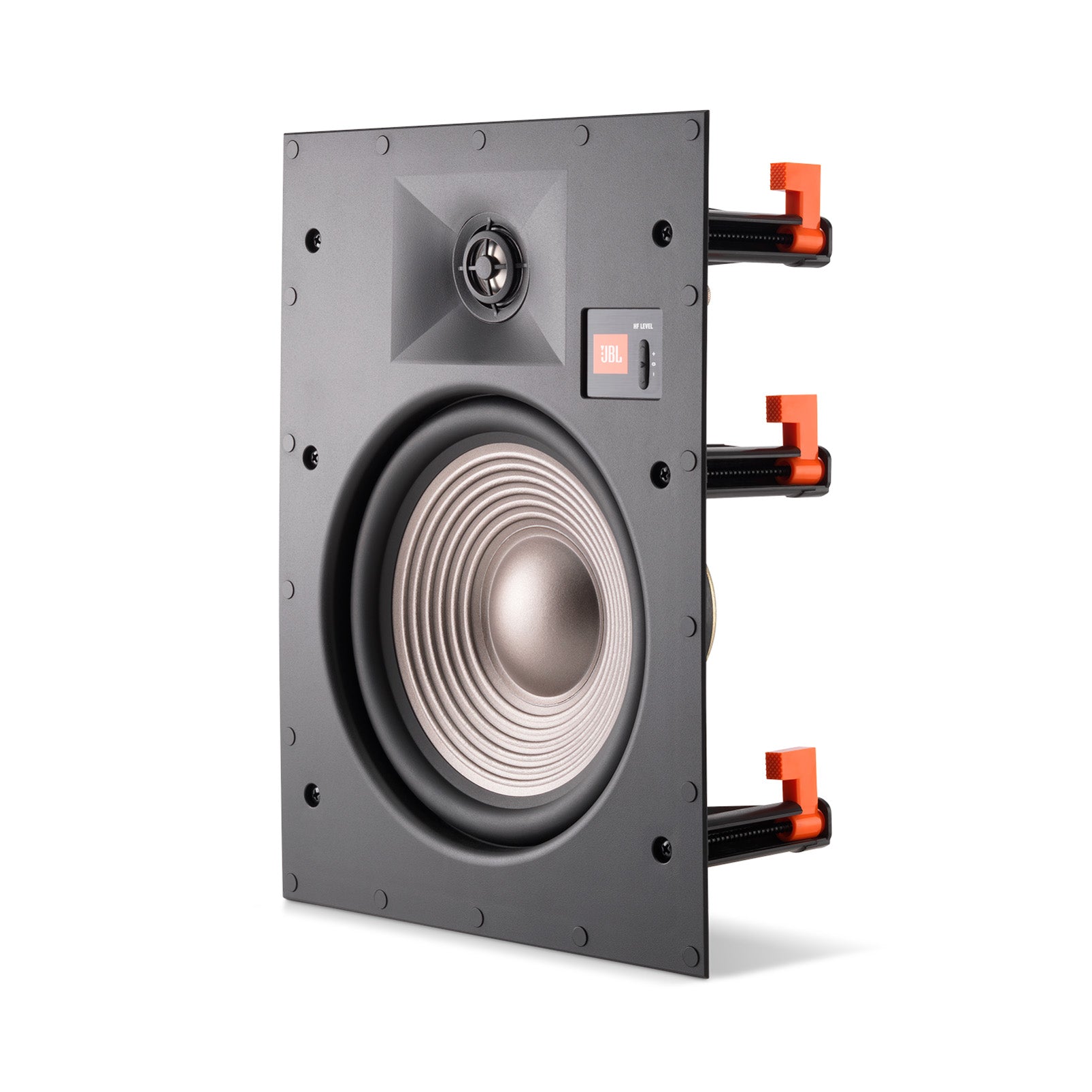
JBL Stage 240H
JBL Stage 240H
Compact speaker
Sale price  / Set $660.00
JBL Stage 220P
JBL Stage 220P
Subwoofer
Sale price  / pcs. $786.00
(4.0)
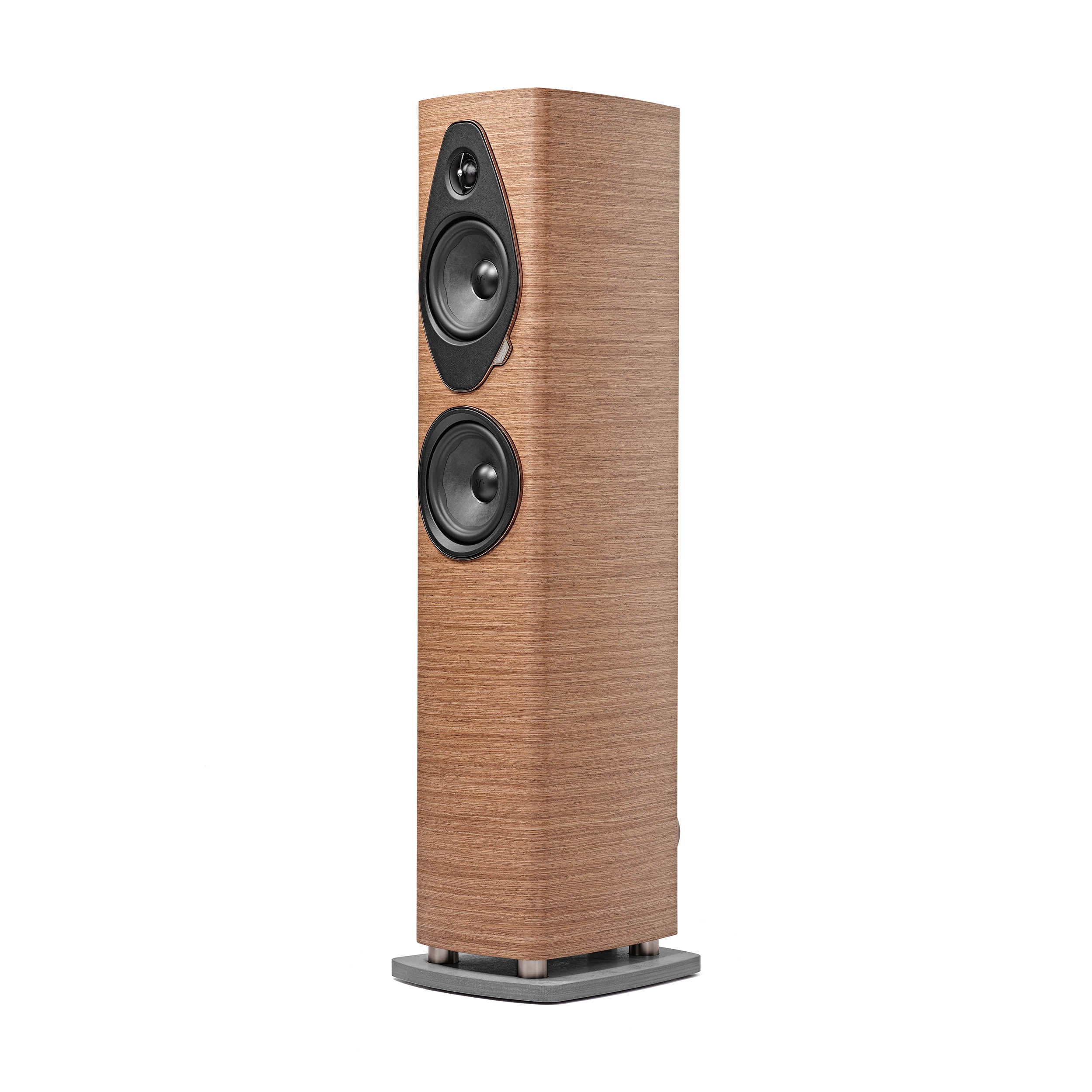
Sonus Faber Sonetto VIII G2
Floorstanding speaker
Sale price  / Set $10,693.00
Sonus Faber Sonetto V G2
Floorstanding speaker
Sale price  / Set From $7,547.00
Sonus Faber Sonetto III G2
Floorstanding speaker
Sale price  / Set From $5,661.00
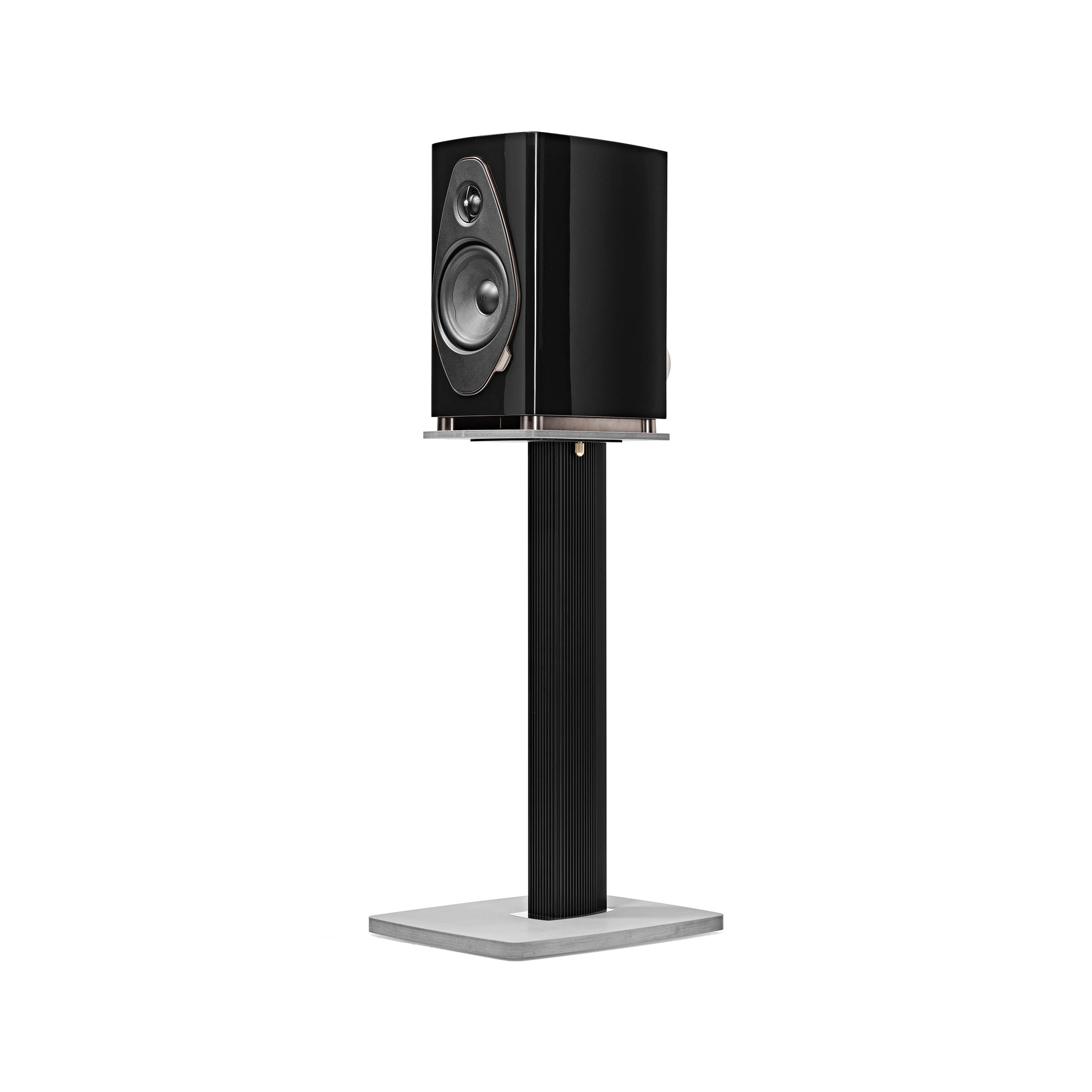
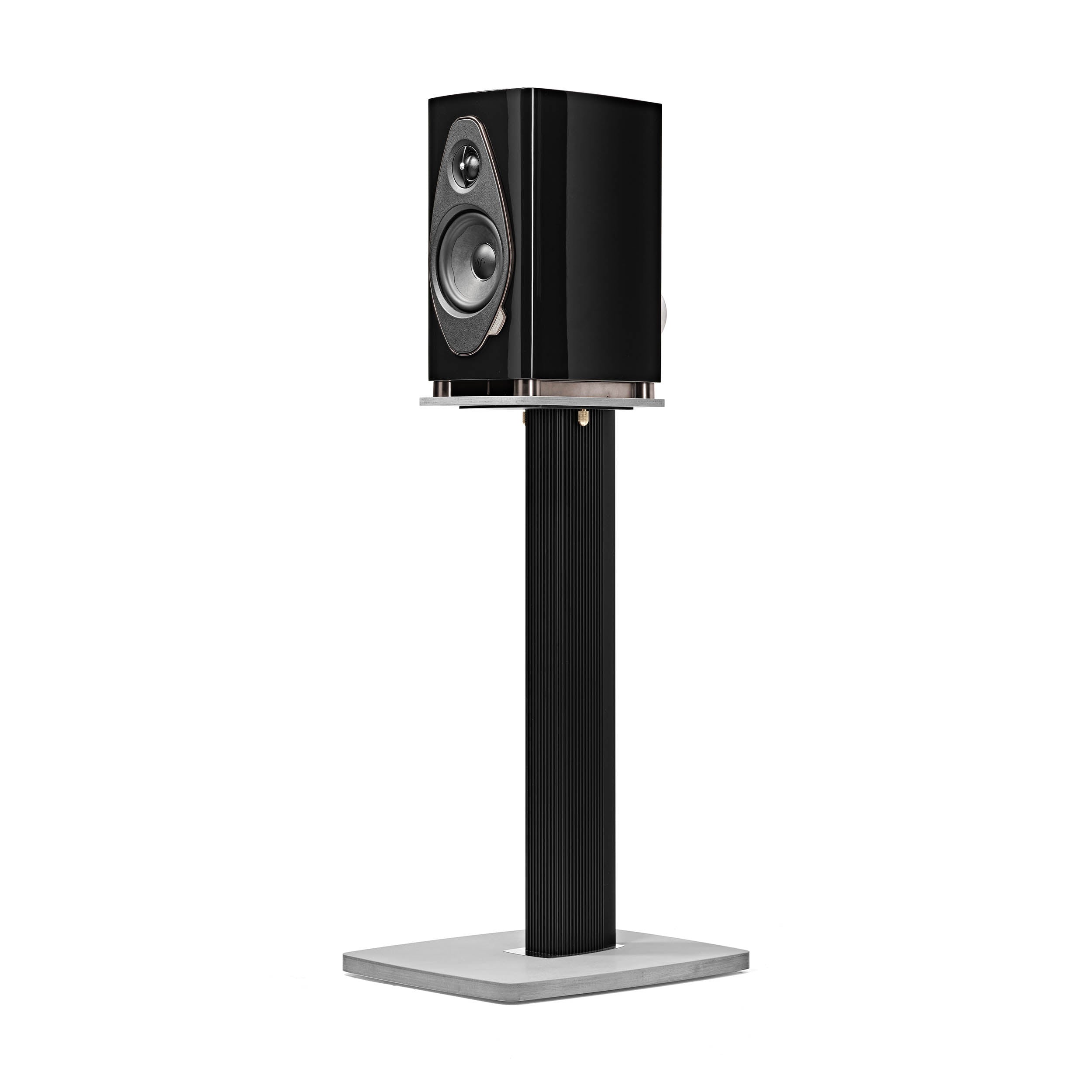
Offers Save 24% Sonus Faber Sonetto II G2 with floor stand
Sonus Faber Sonetto II G2 with floor stand
Compact speaker
Sale price  / Set From $3,460.00 Regular price $4,560.00
Sonus Faber Sonetto I G2
Compact speaker
Sale price  / Set $2,831.00
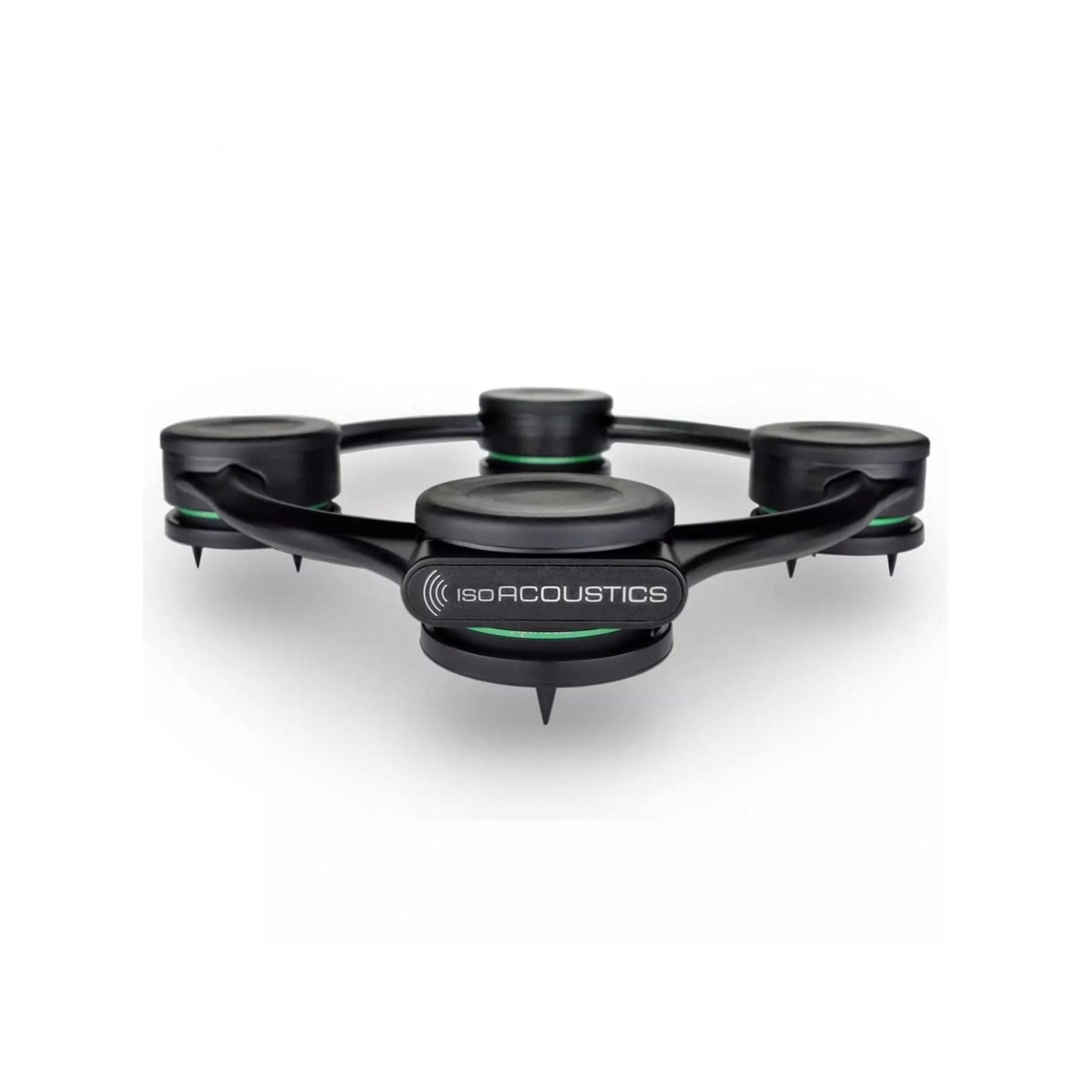
ISOACOUSTICS APERTA SUB
Decouplers
Sale price  / pcs. $203.00
(5.0)
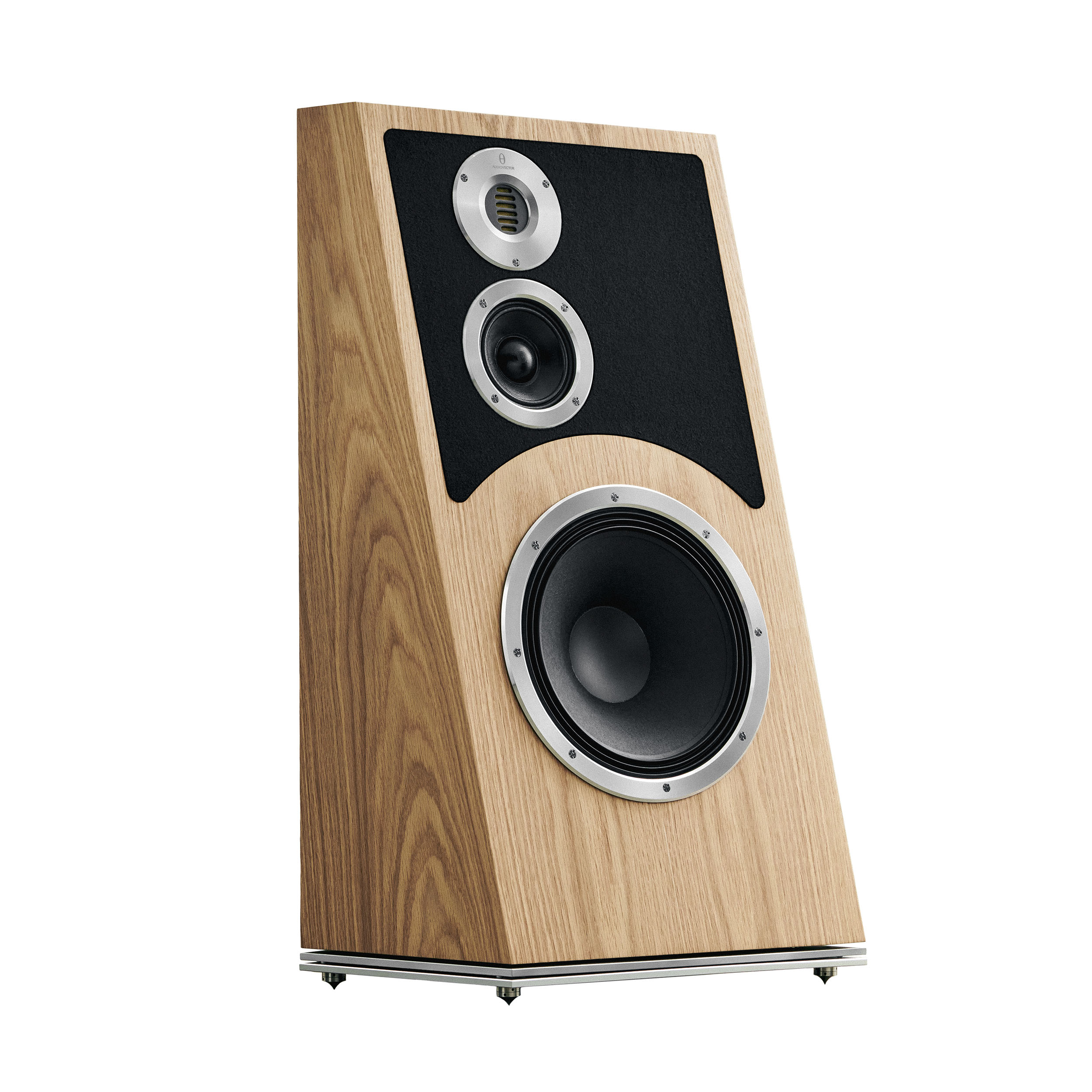
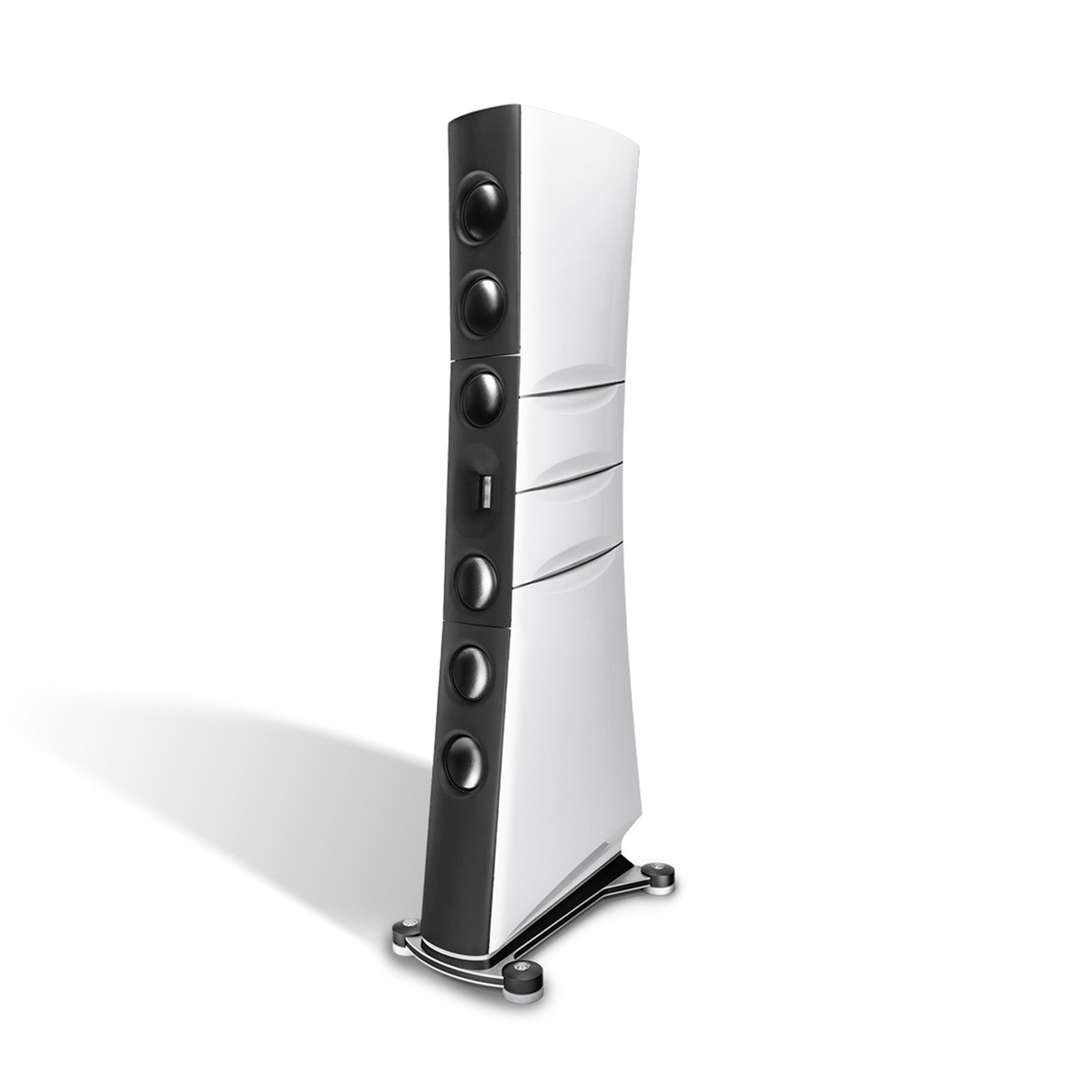
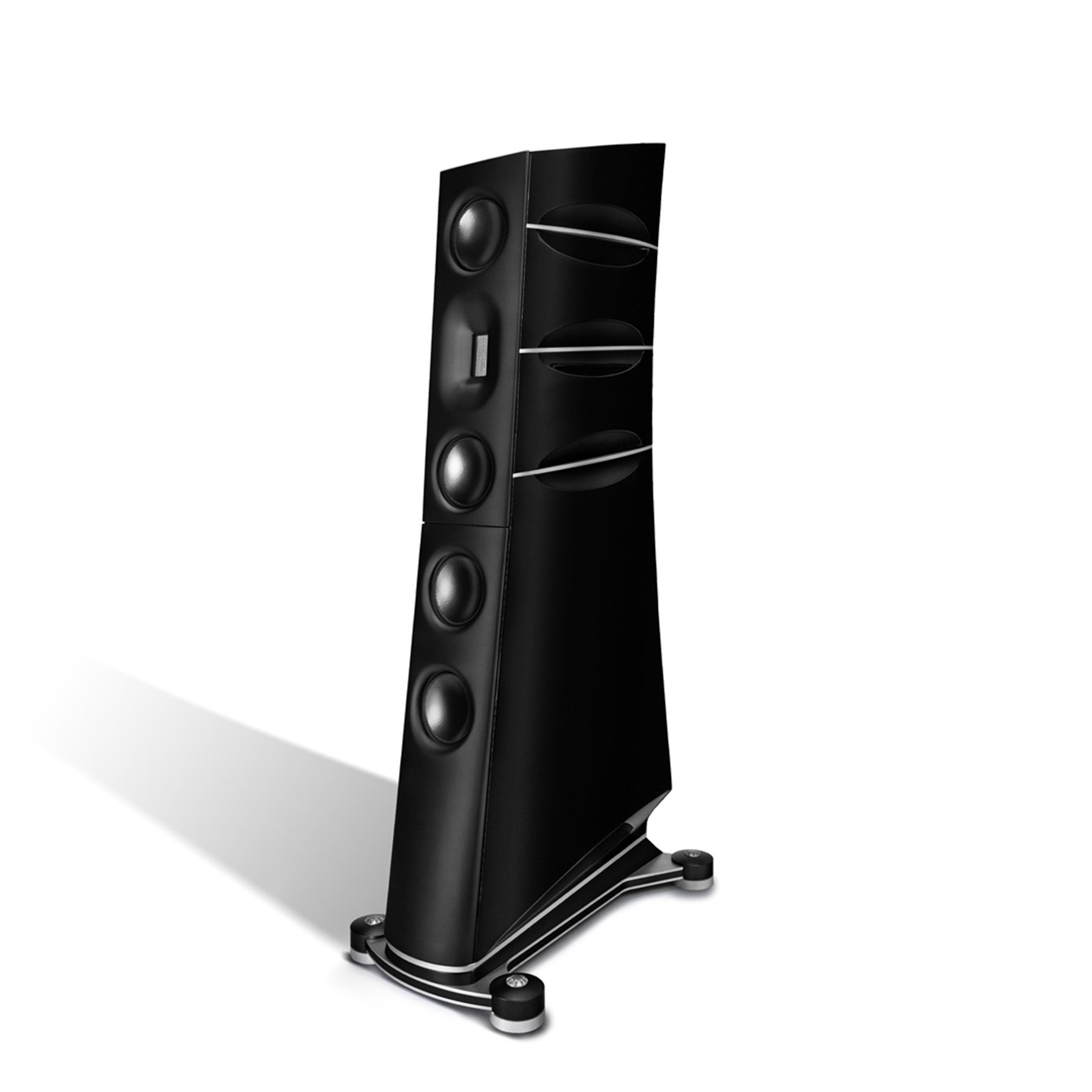
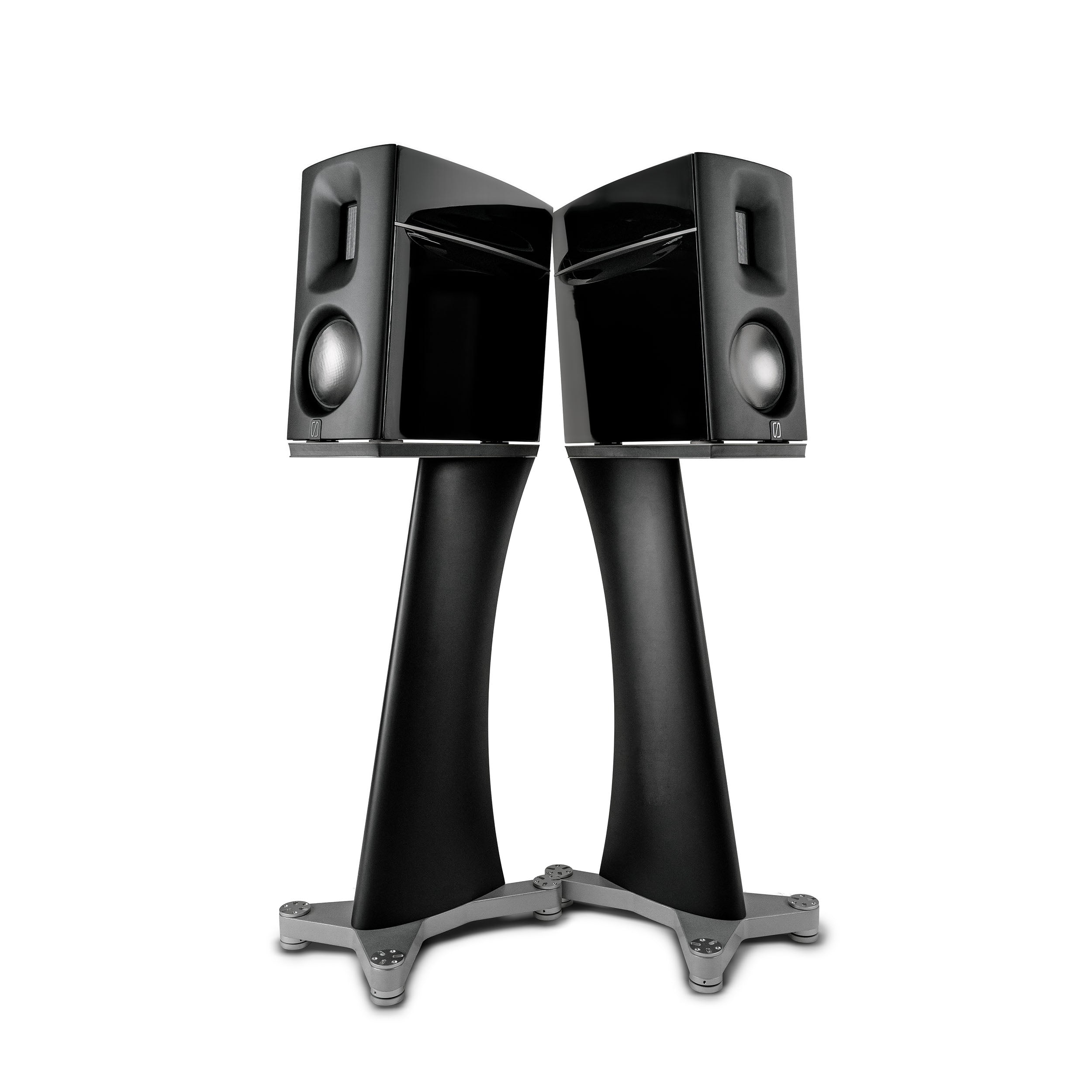
Audiovector Trapeze Ri
Floorstanding speaker
Sale price  / Set From $20,834.00
(5.0)
JBL L10cs
JBL L10cs
Subwoofer
Sale price  / pcs. $943.00
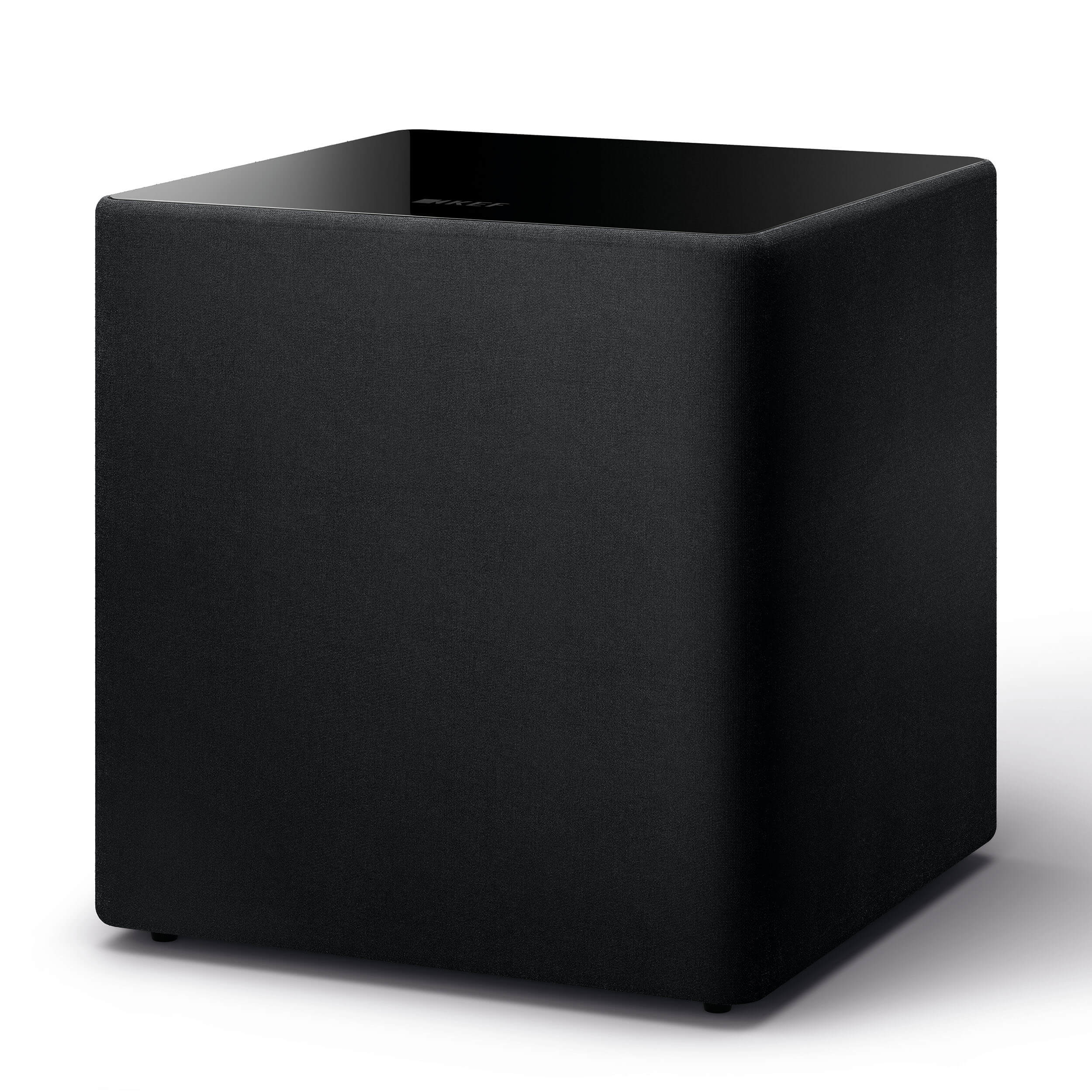
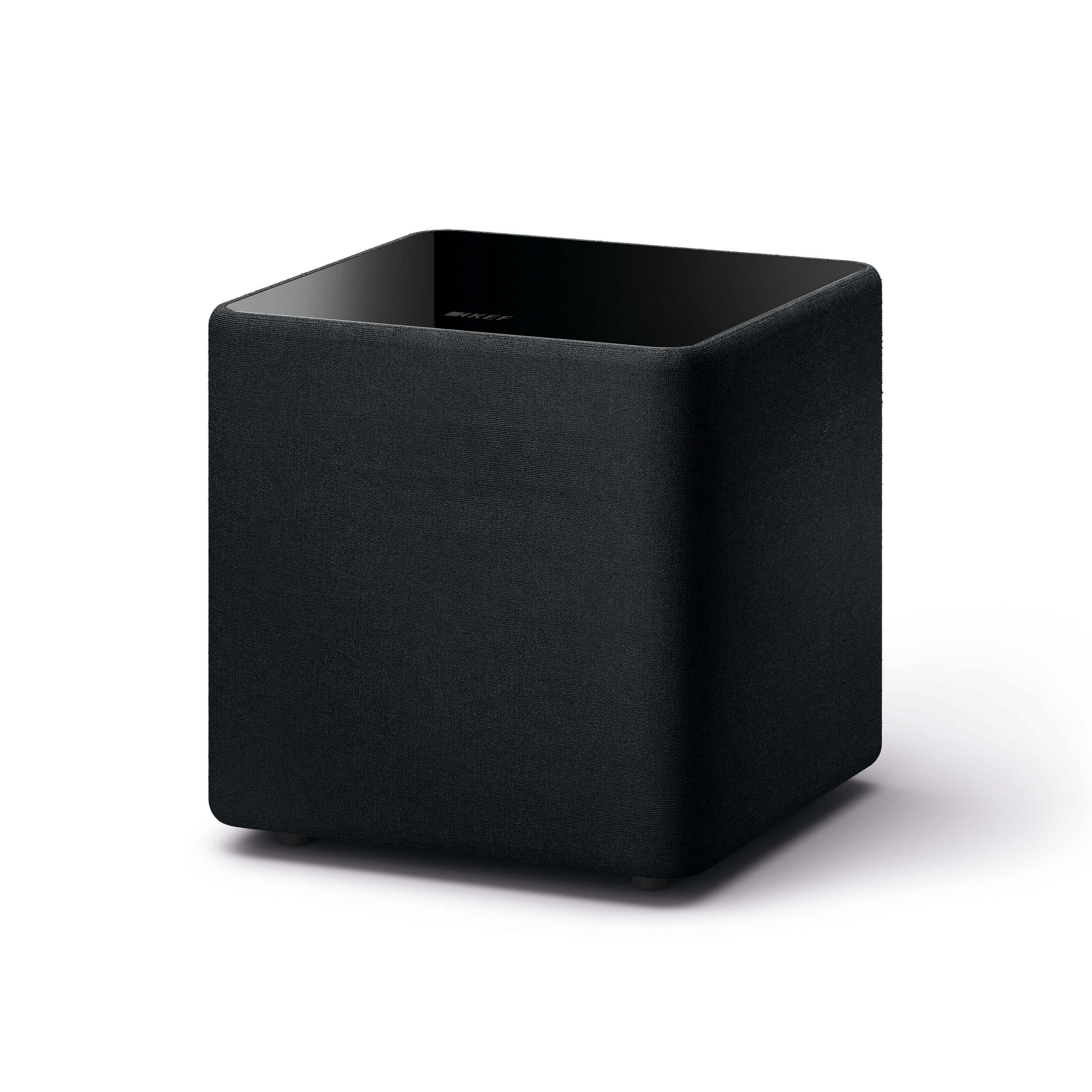
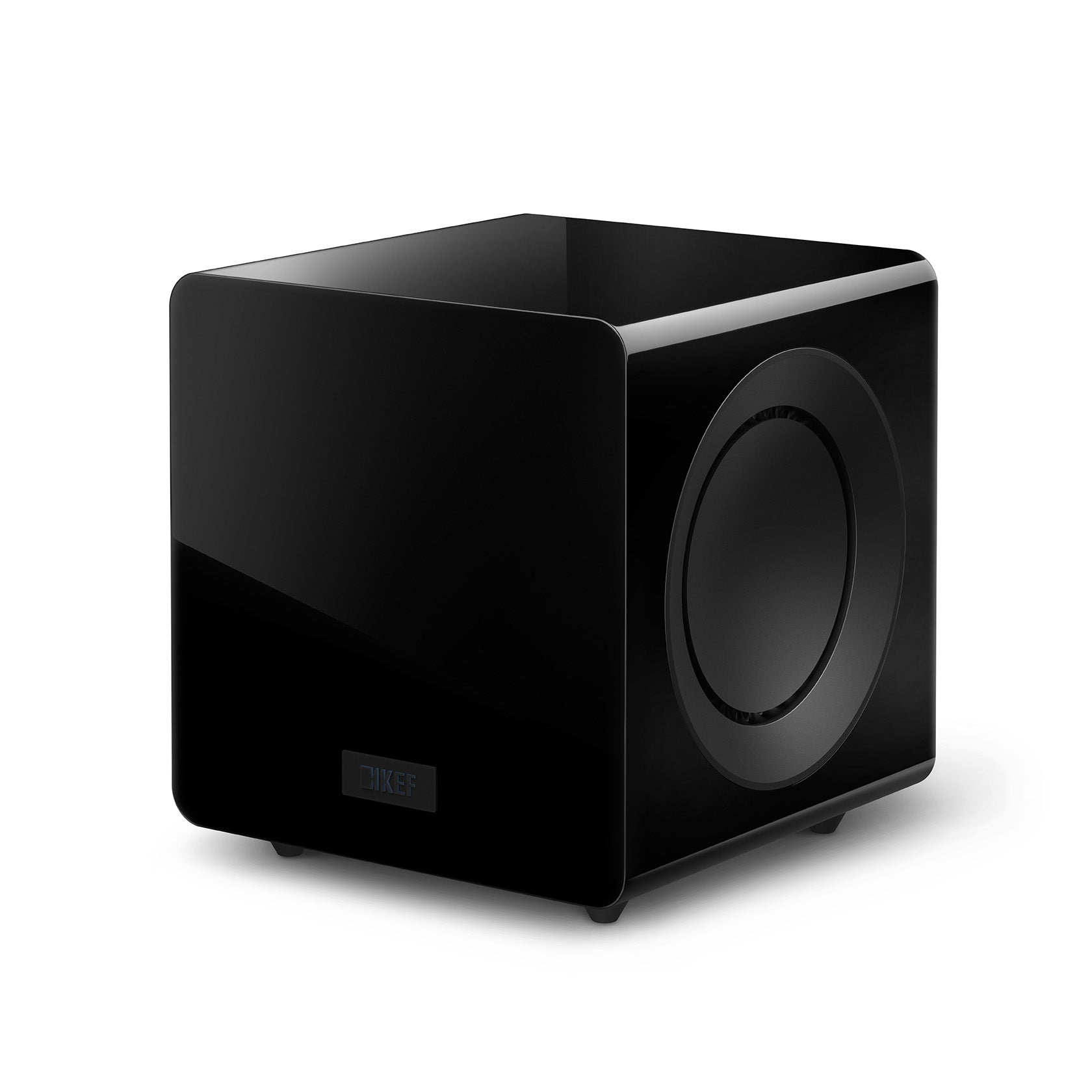
Save 10% KEF Kube 15 MIE
KEF Kube 15 MIE
Subwoofer
Sale price  / pcs. $1,415.00 Regular price $1,565.00
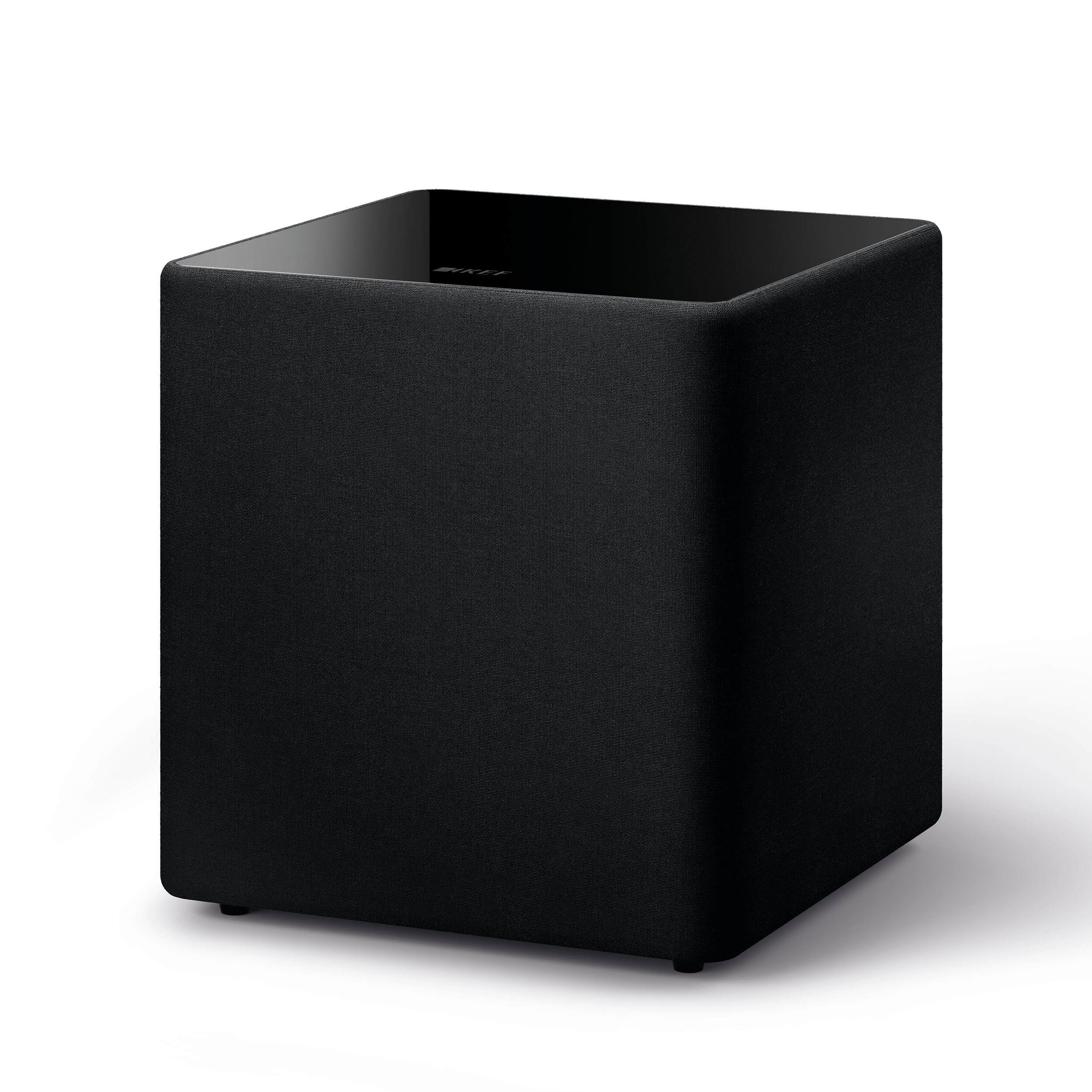
KEF Kube 12 MIE
KEF Kube 12 MIE
Subwoofer
Sale price  / pcs. $1,100.00
(5.0)
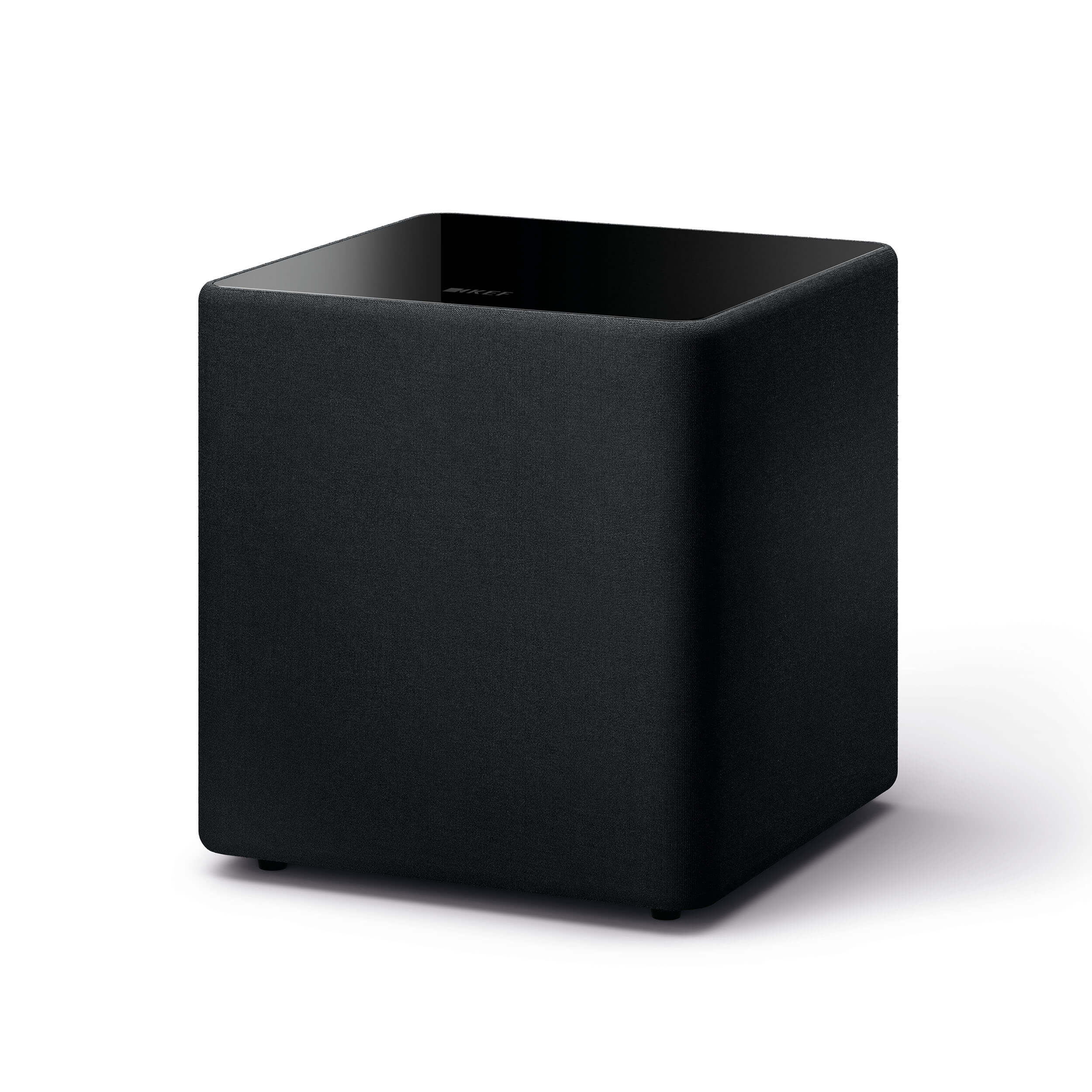
KEF Kube 10 MIE
KEF Kube 10 MIE
Subwoofer
Sale price  / pcs. $943.00
KEF Kube 8 MIE
KEF Kube 8 MIE
Subwoofer
Sale price  / pcs. $786.00
(5.0)
KEF KC92
KEF KC92
Subwoofer
Sale price  / pcs. $3,144.00
Børresen M6
Børresen M6
Floorstanding speaker
Salgspris Only available in DK
Børresen M3
Børresen M3
Floorstanding speaker
Salgspris Only available in DK
Børresen M1
Børresen M1
Compact speaker
Salgspris Only available in DK
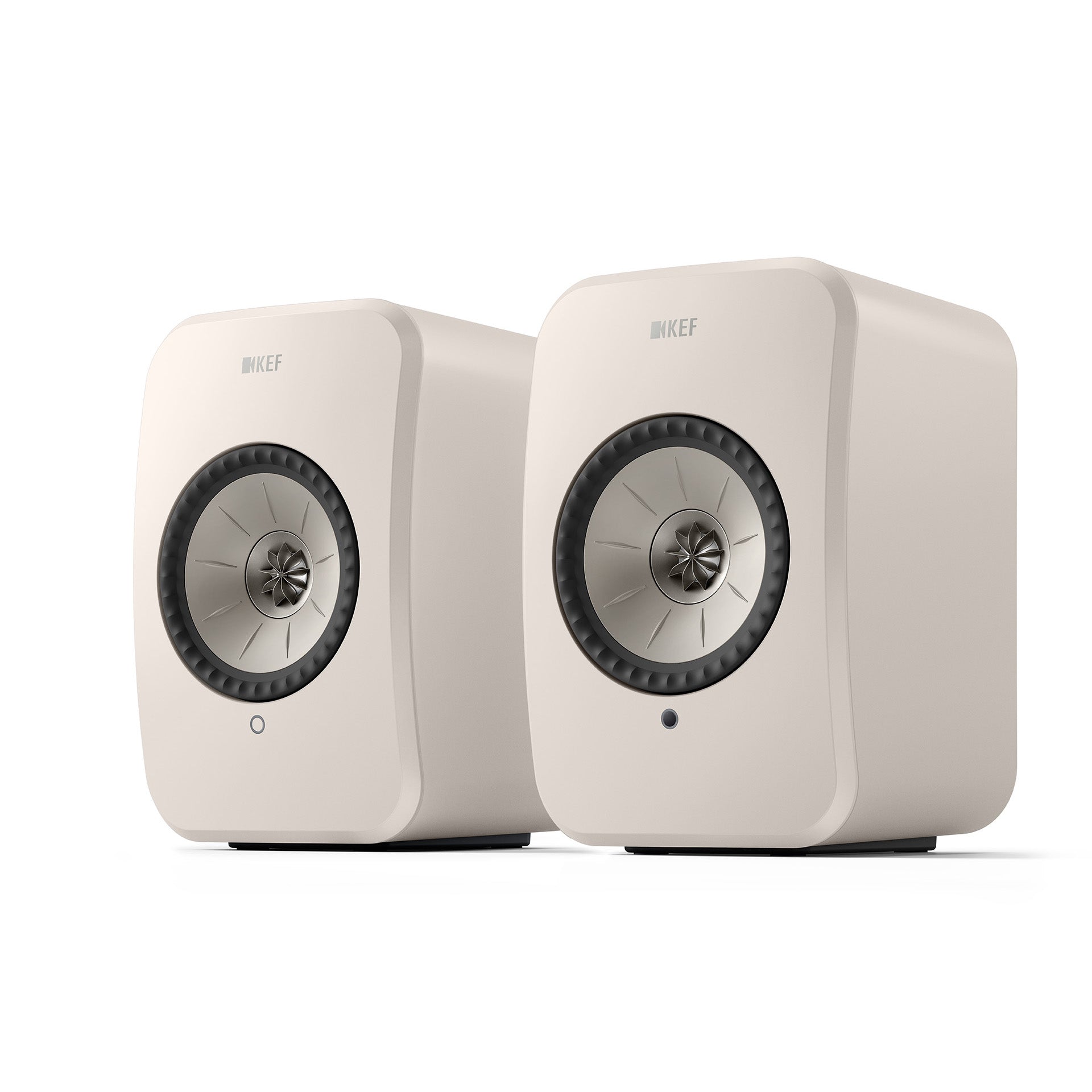
KEF LSX II LT 2 pcs.
Active speaker
Sale price  / Set $1,210.00
(4.7)
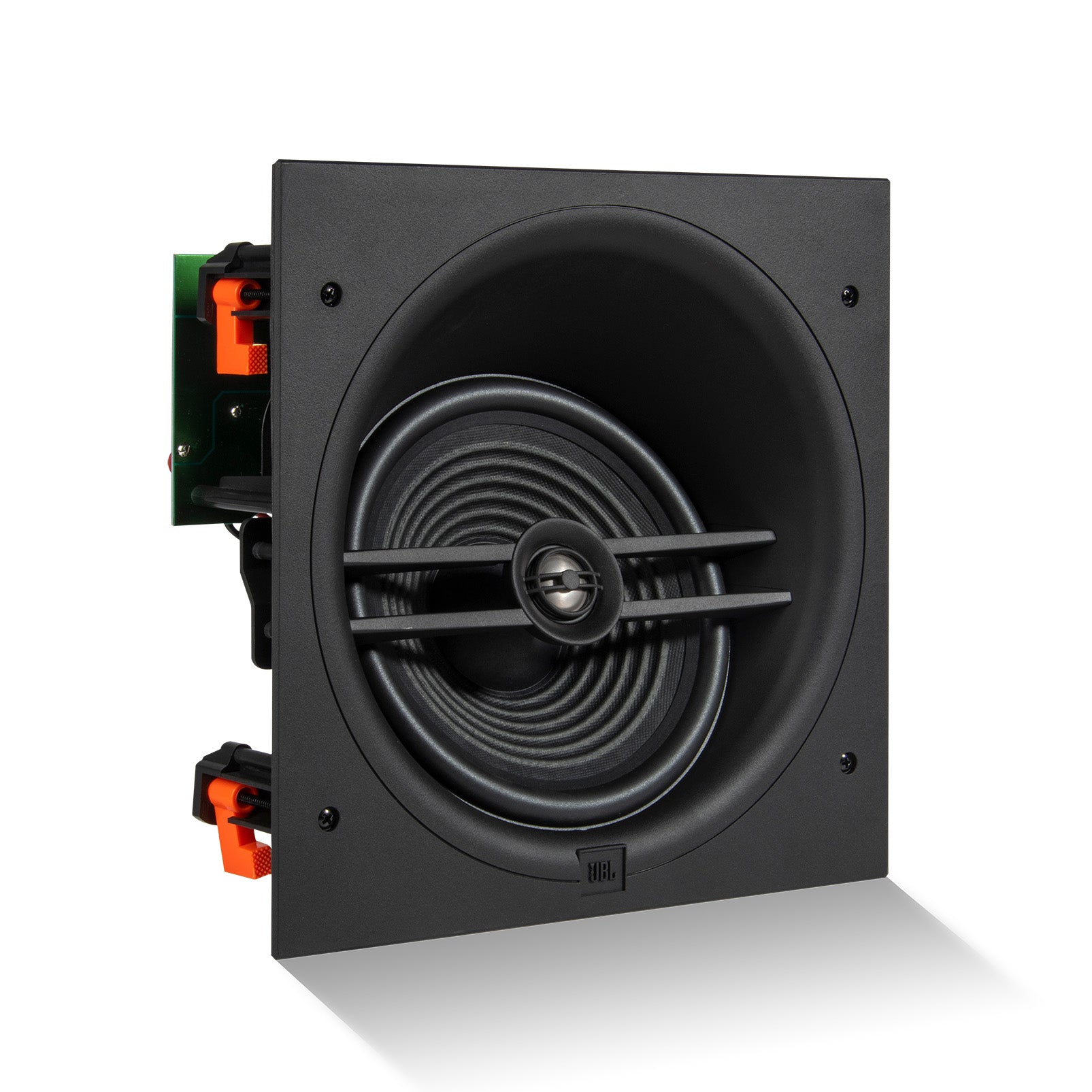
Audiovector QR Wall SE
In-wall speaker
Sale price  / Set $1,982.00
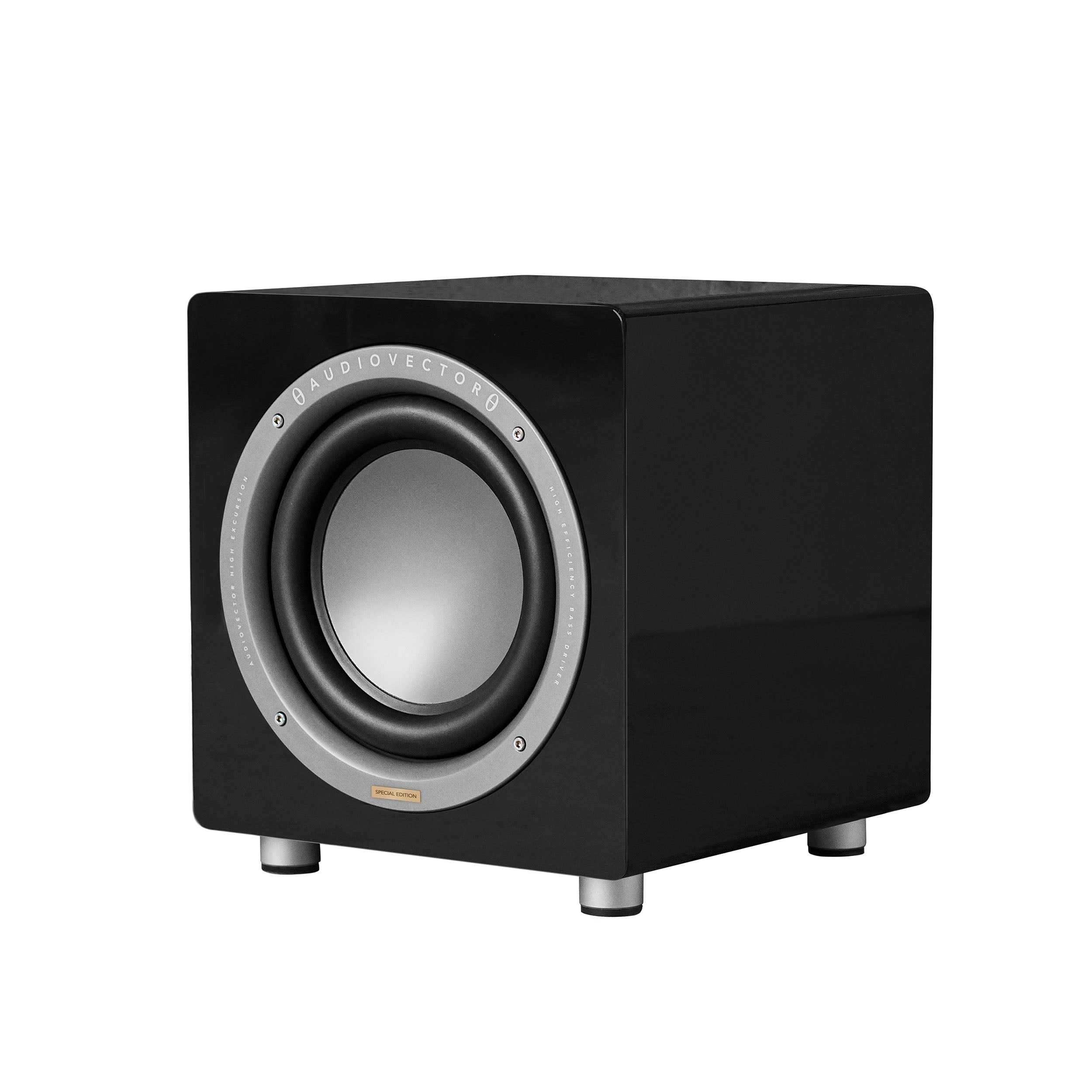
Audiovector QR Sub SE
Subwoofer
Sale price  / pcs. $2,092.00
(5.0)
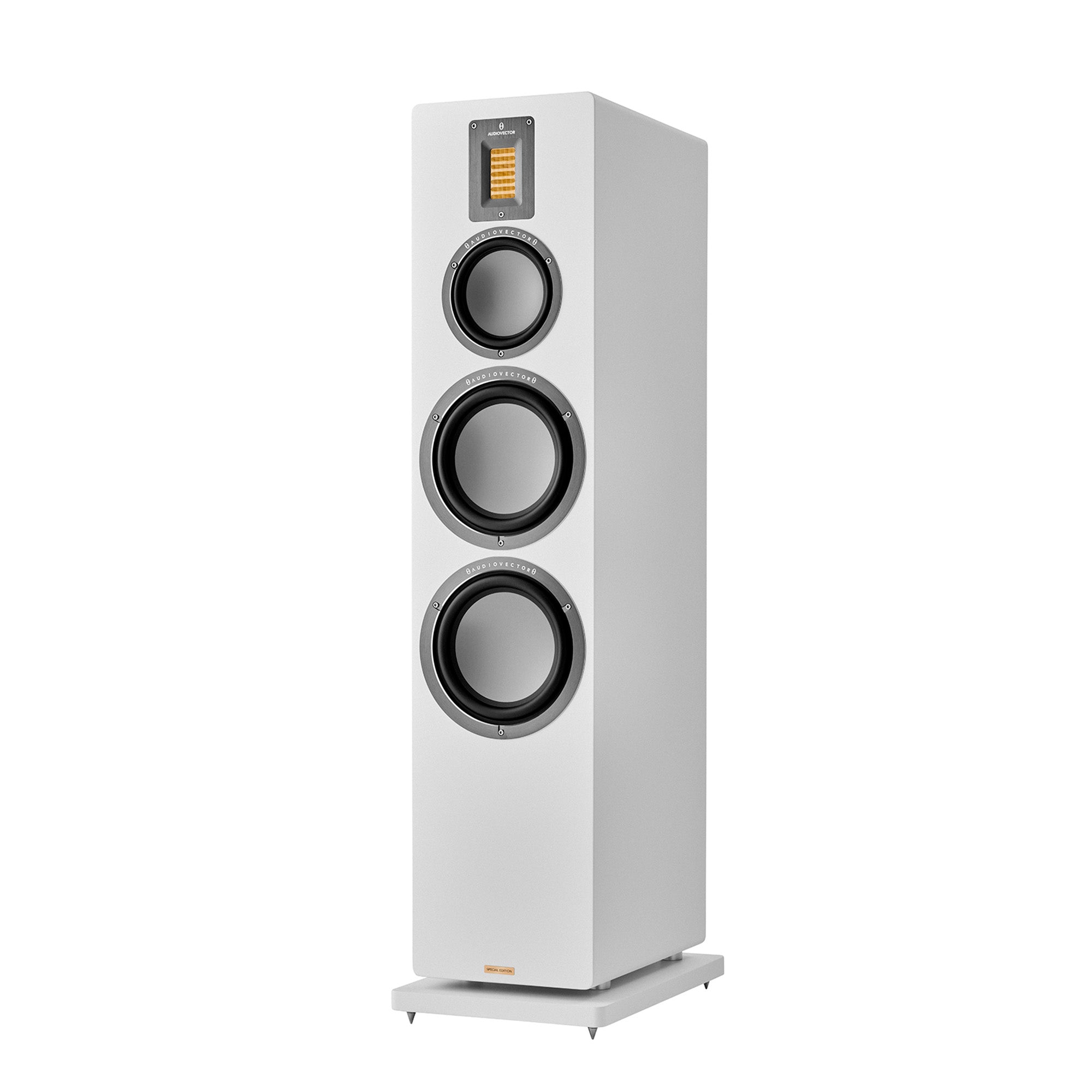
Audiovector QR 7 SE
Audiovector QR 7 SE
Floorstanding speaker
Sale price  / Set $7,485.00
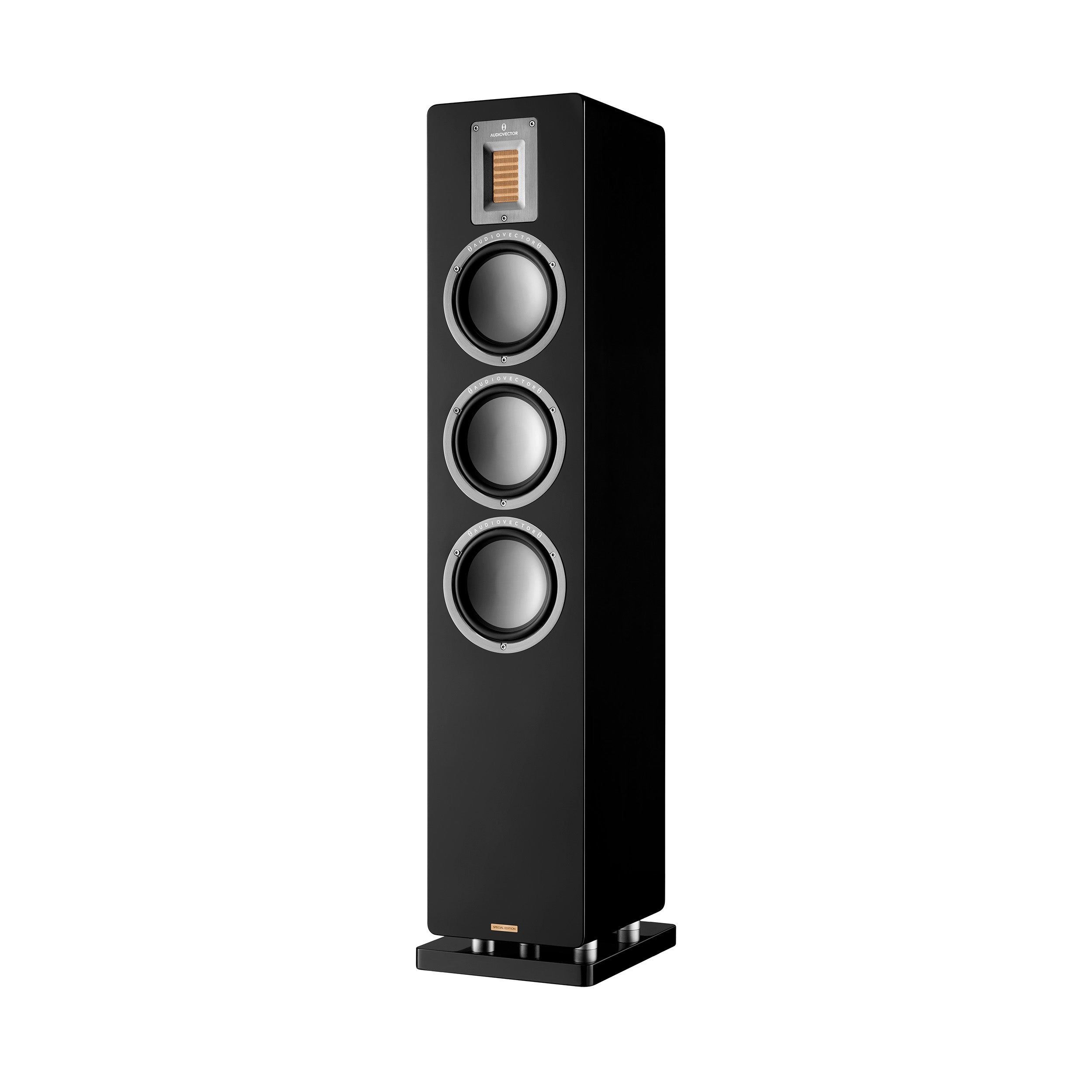
Audiovector QR 5 SE
Audiovector QR 5 SE
Floorstanding speaker
Sale price  / Set $5,394.00
(5.0)
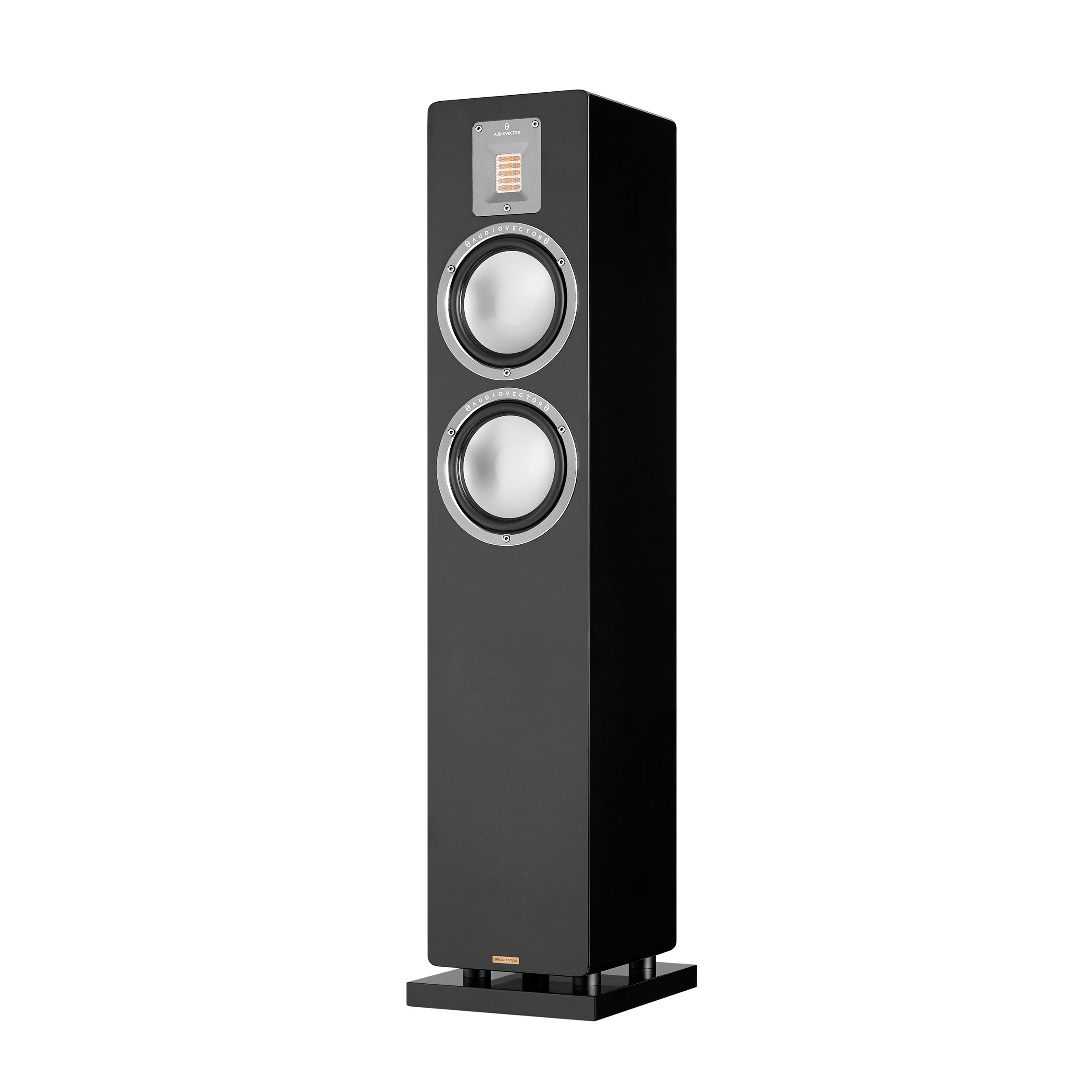
Audiovector QR 3 SE
Audiovector QR 3 SE
Floorstanding speaker
Sale price  / Set $3,413.00
(5.0)
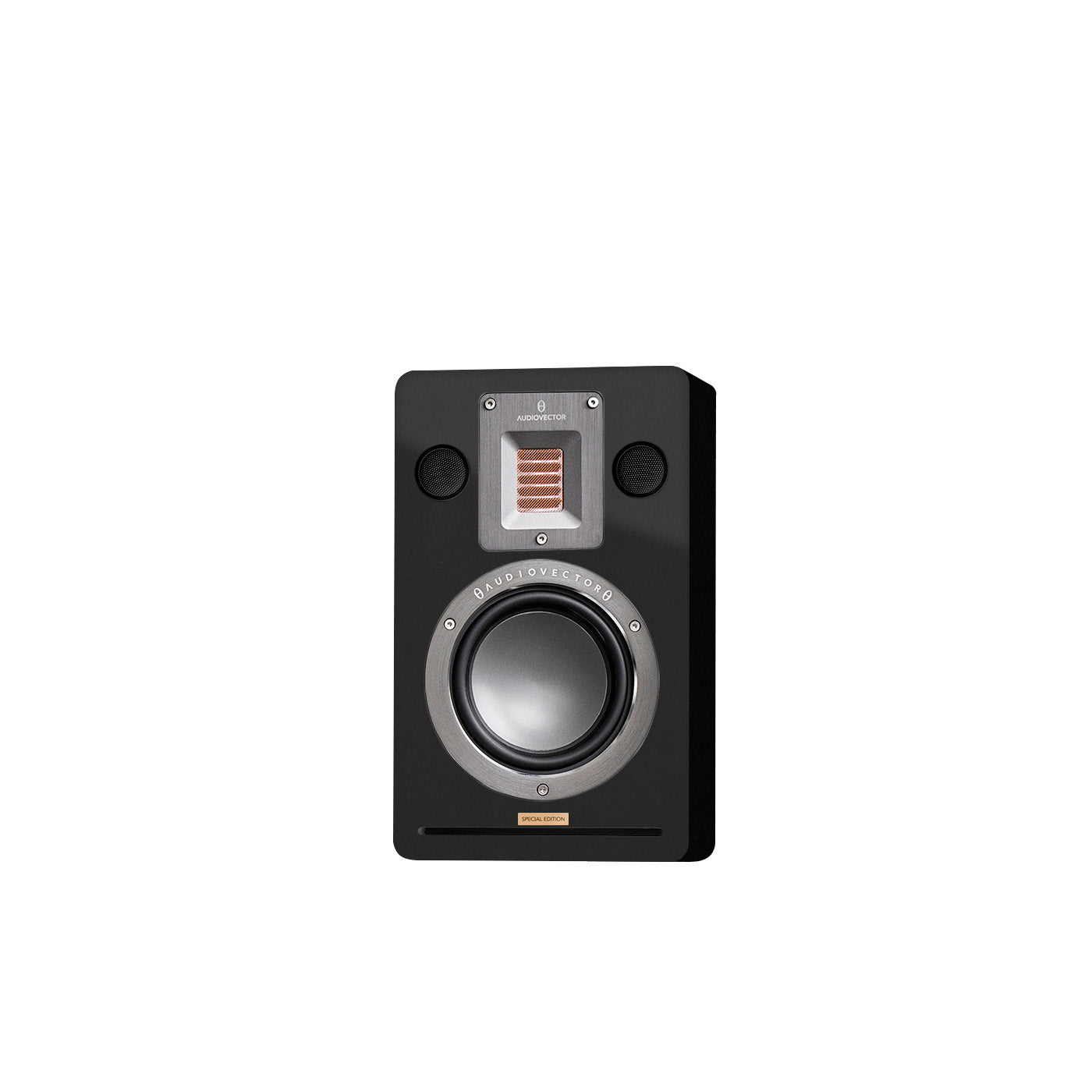
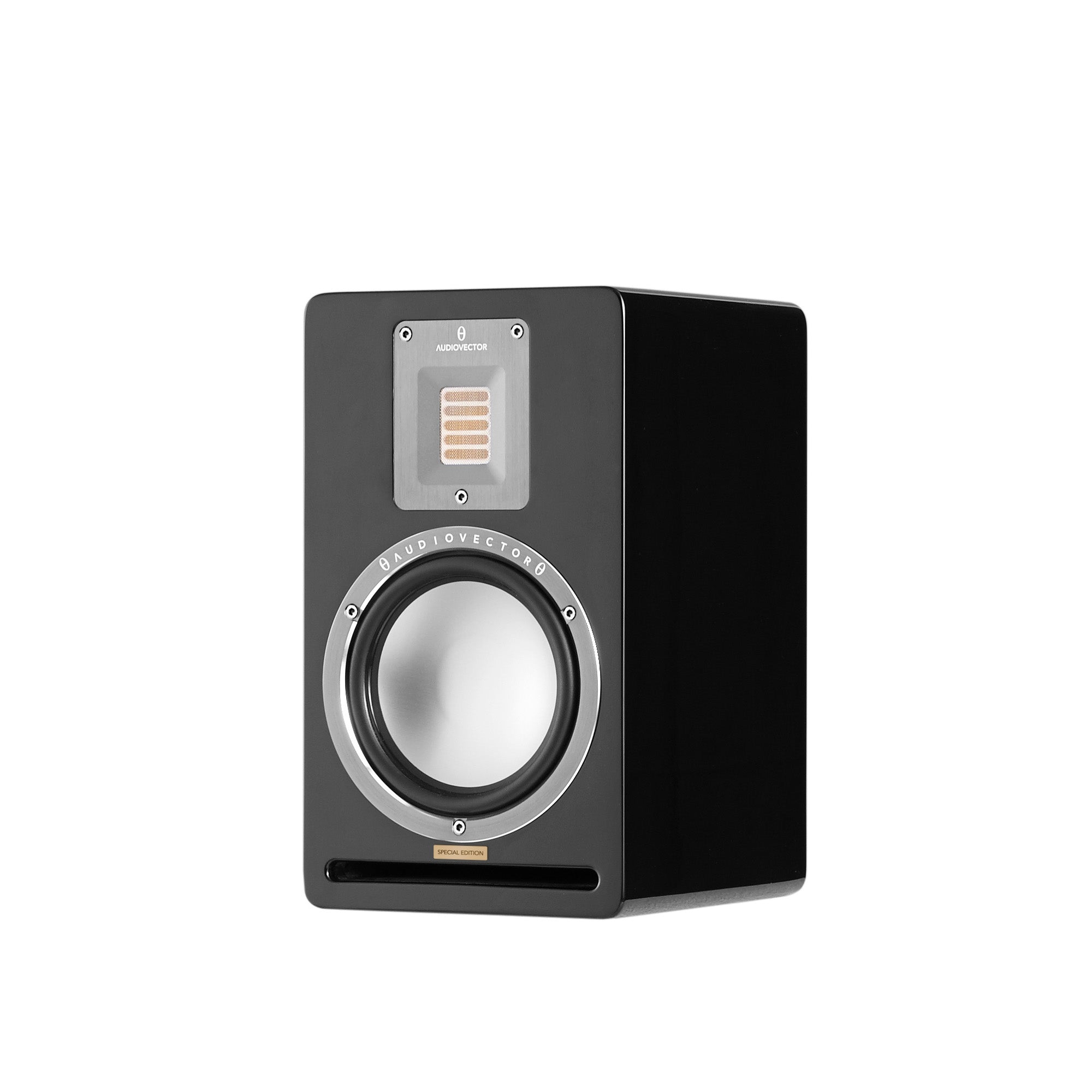
Audiovector QR 1 SE
Audiovector QR 1 SE
Compact speaker
Sale price  / Set $1,982.00
(5.0)
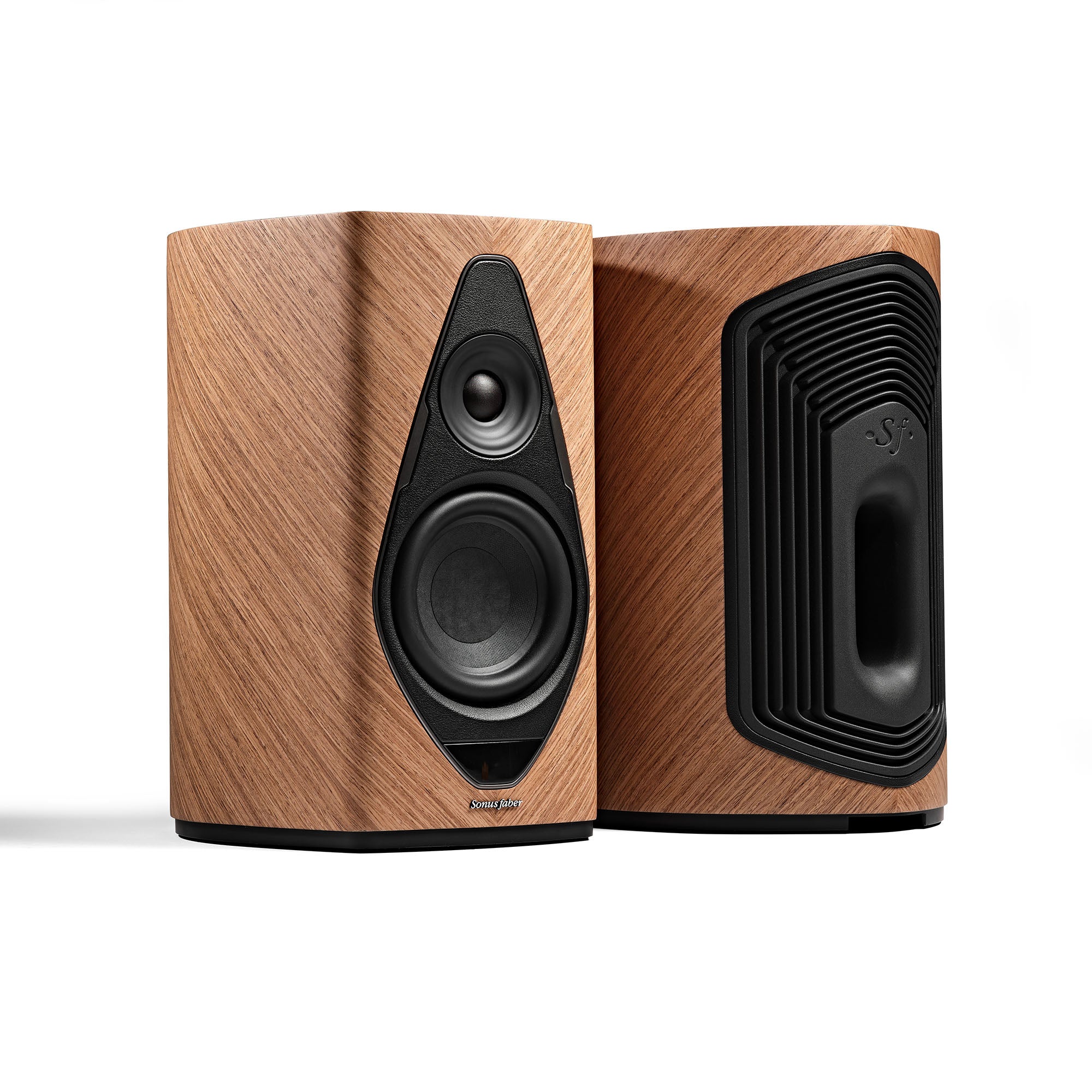
Sonus Faber Duetto
Sonus Faber Duetto
Active speaker
Sale price  / Set $5,032.00
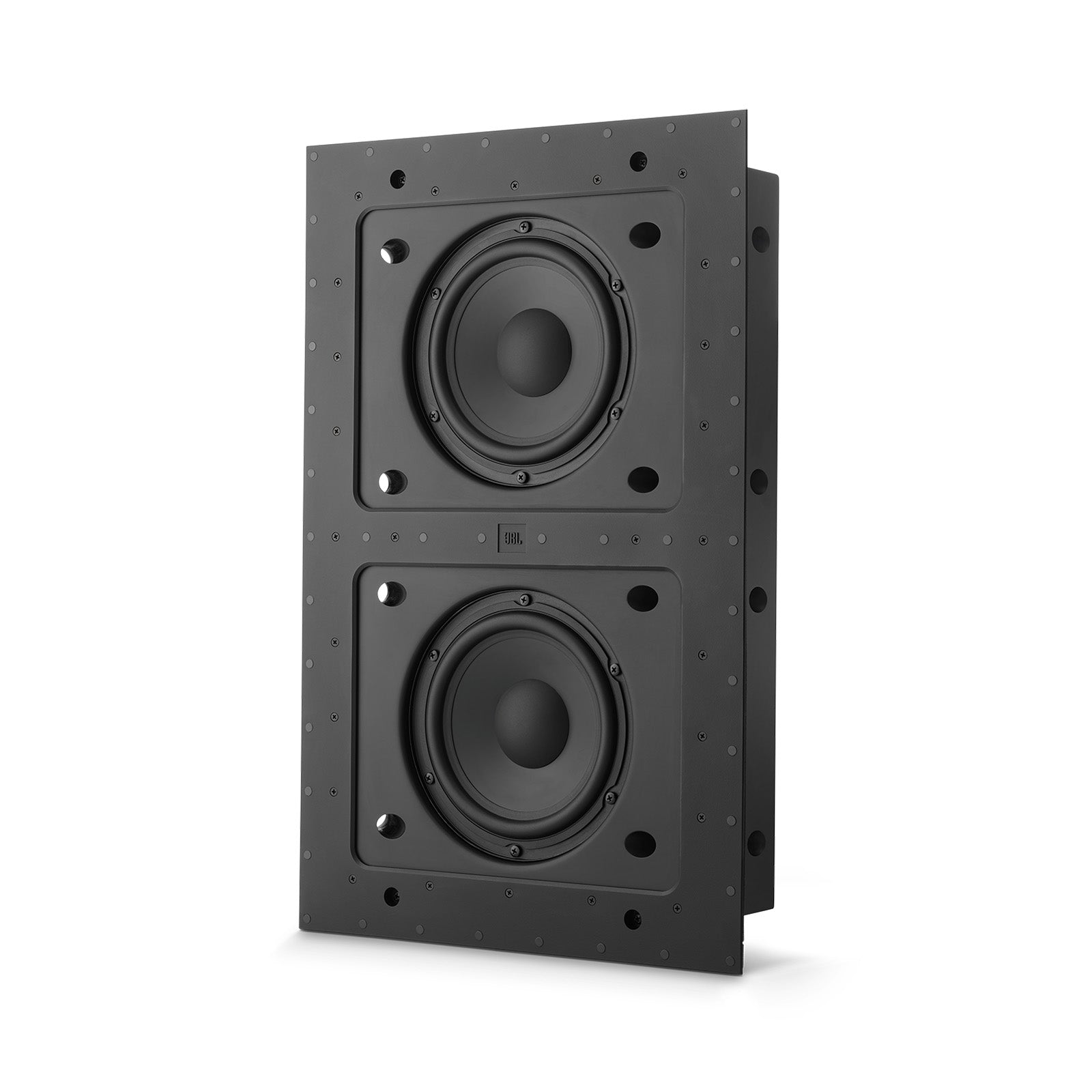
JBL Synthesis SSW-4
JBL Synthesis SSW-4
Built-in speaker
Sale price  / pcs. $1,569.00
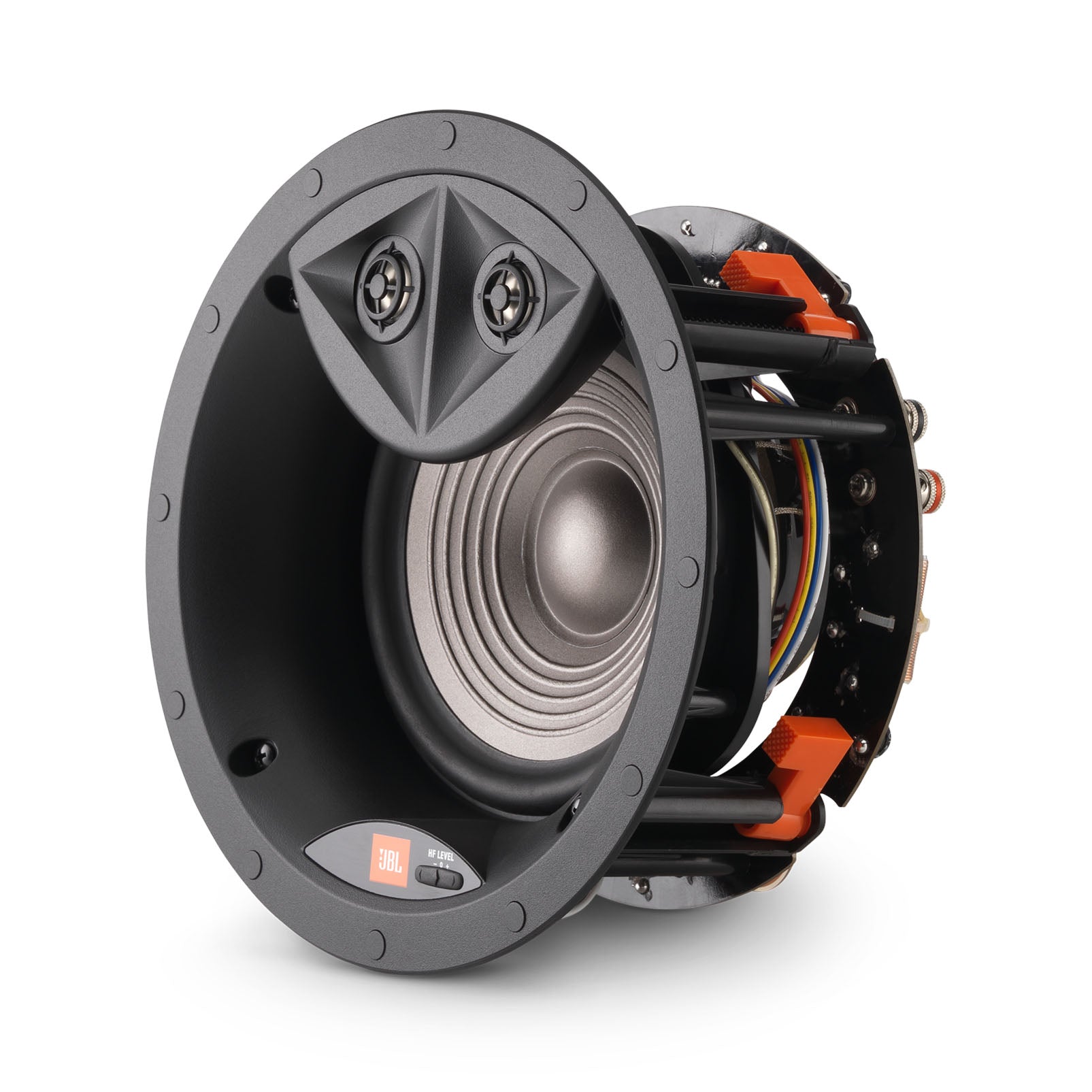
JBL Studio 2-6ICDT
JBL Studio 2-6ICDT
Built-in speaker
Sale price  / pcs. $550.00
JBL Studio 2-8IC
JBL Studio 2-8IC
Built-in speaker
Sale price  / pcs. $550.00
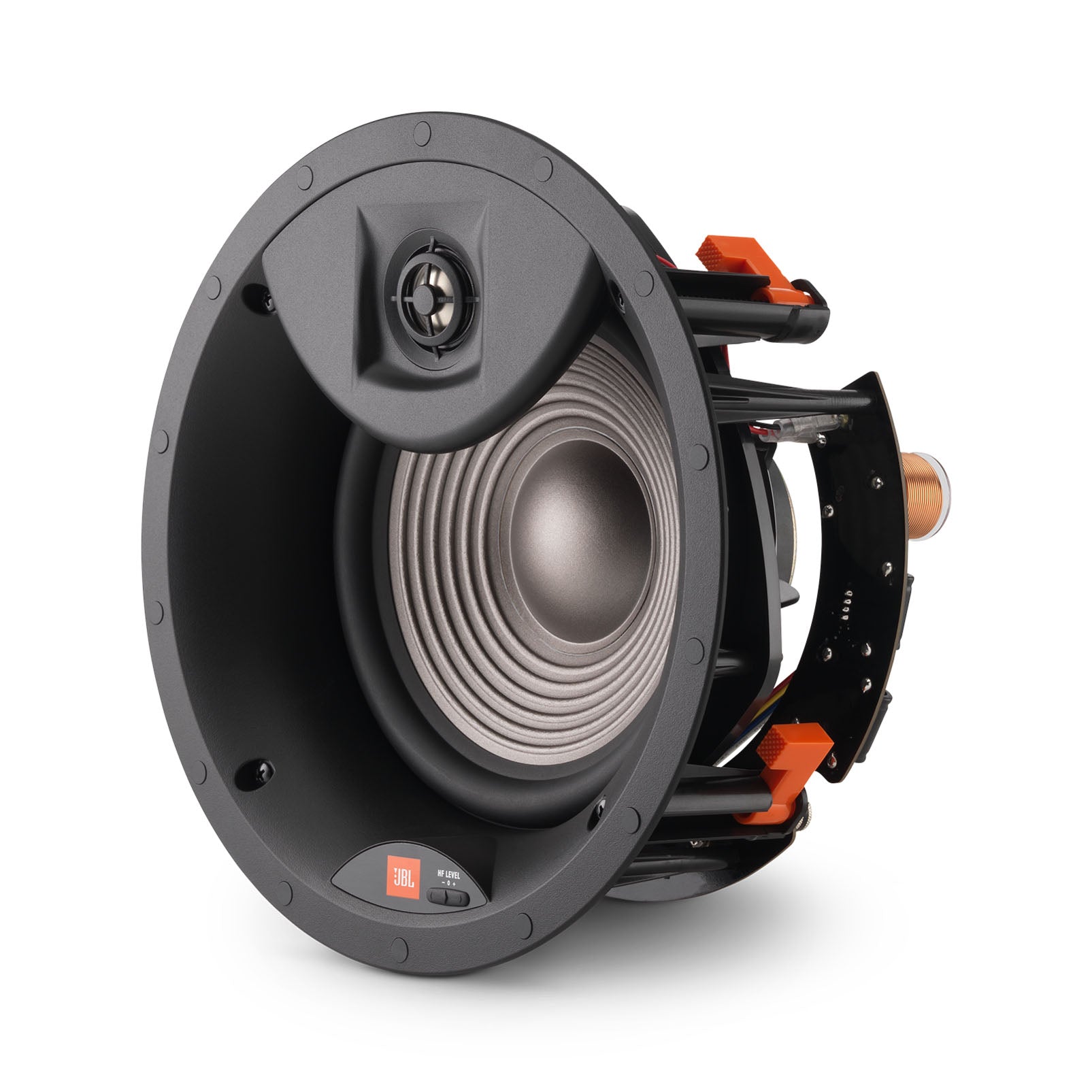
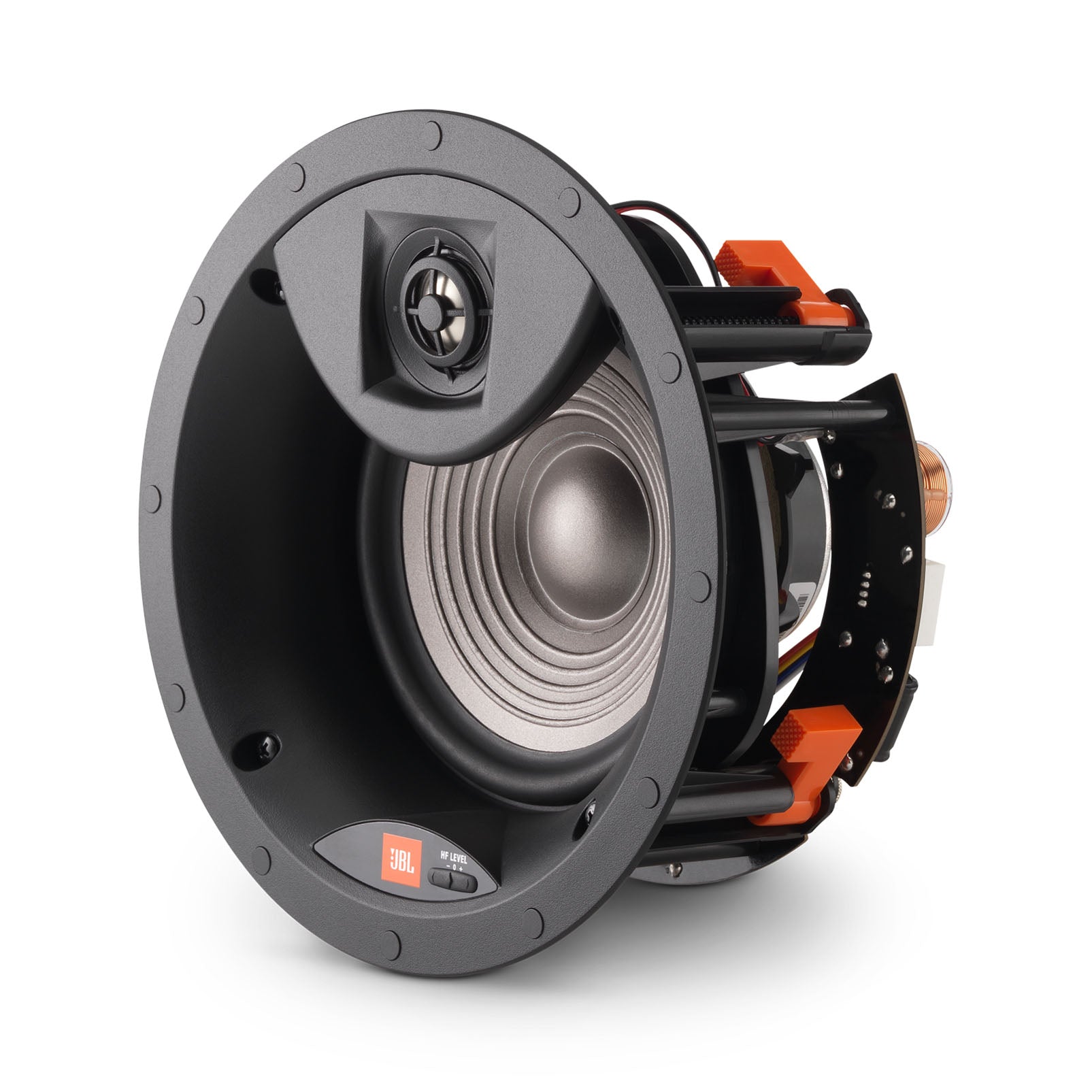
JBL Studio 2-6IC
JBL Studio 2-6IC
Built-in speaker
Sale price  / pcs. $393.00
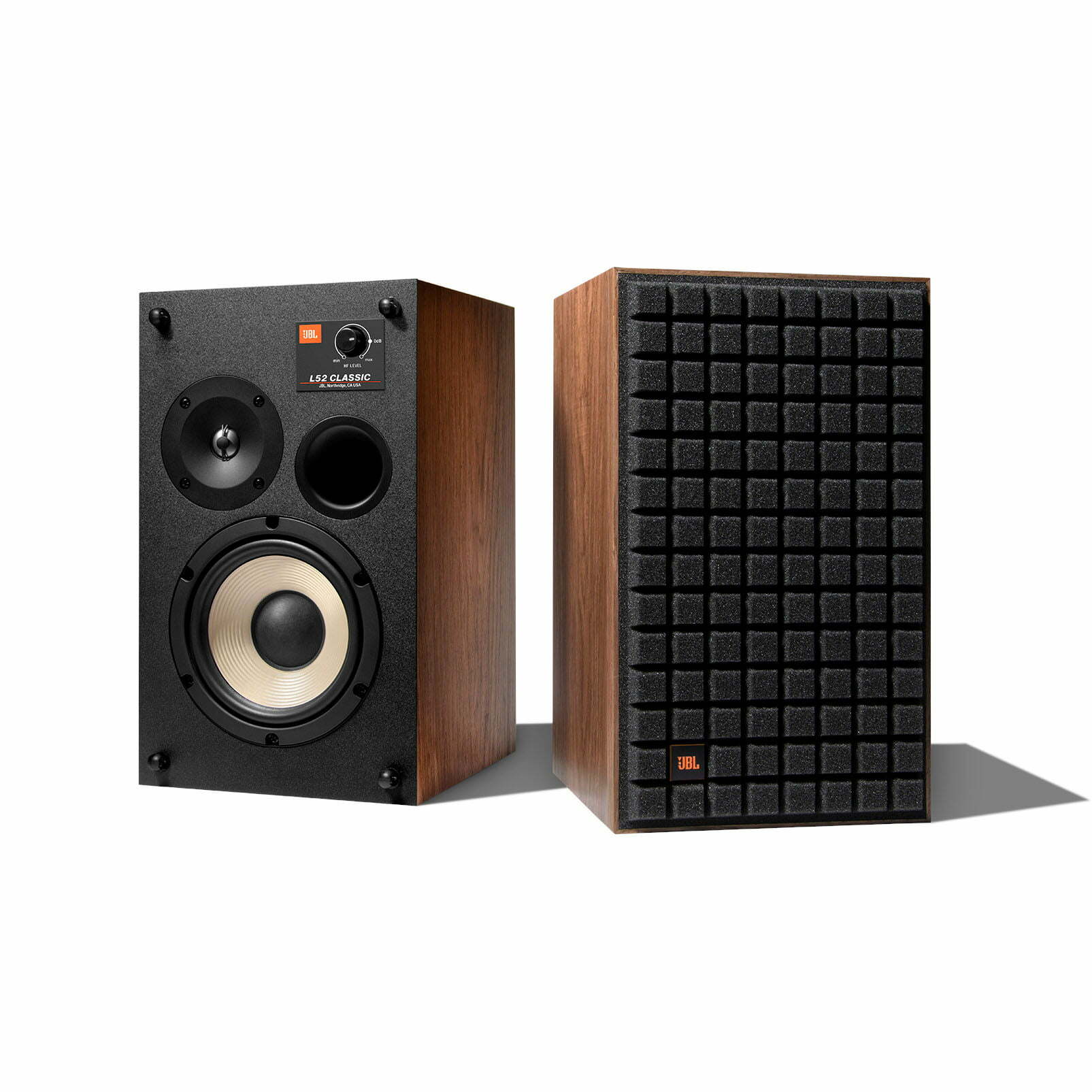
Offers Save 25% JBL L52 Classic
JBL L52 Classic 2 pcs.
Compact speaker
Sale price  / Set $943.00 Regular price $1,258.00
(4.9)
JBL Stage 280W
JBL Stage 280W
Built-in speaker
Sale price  / pcs. $330.00
JBL Stage 280CSA
JBL Stage 280CSA
Built-in speaker
Sale price  / pcs. $330.00
JBL Stage 280C
JBL Stage 280C
Built-in speaker
Sale price  / pcs. $330.00
JBL Stage 260SCA
JBL Stage 260CSA
Built-in speaker
Sale price  / pcs. $220.00
JBL Stage 260C
JBL Stage 260C
Built-in speaker
Sale price  / pcs. $220.00
JBL Stage 250WL
JBL Stage 250WL
Built-in speaker
Sale price  / pcs. $361.00
JBL Studio 2 55IW
JBL Studio 2 55IW
Built-in speaker
Sale price  / pcs. $471.00
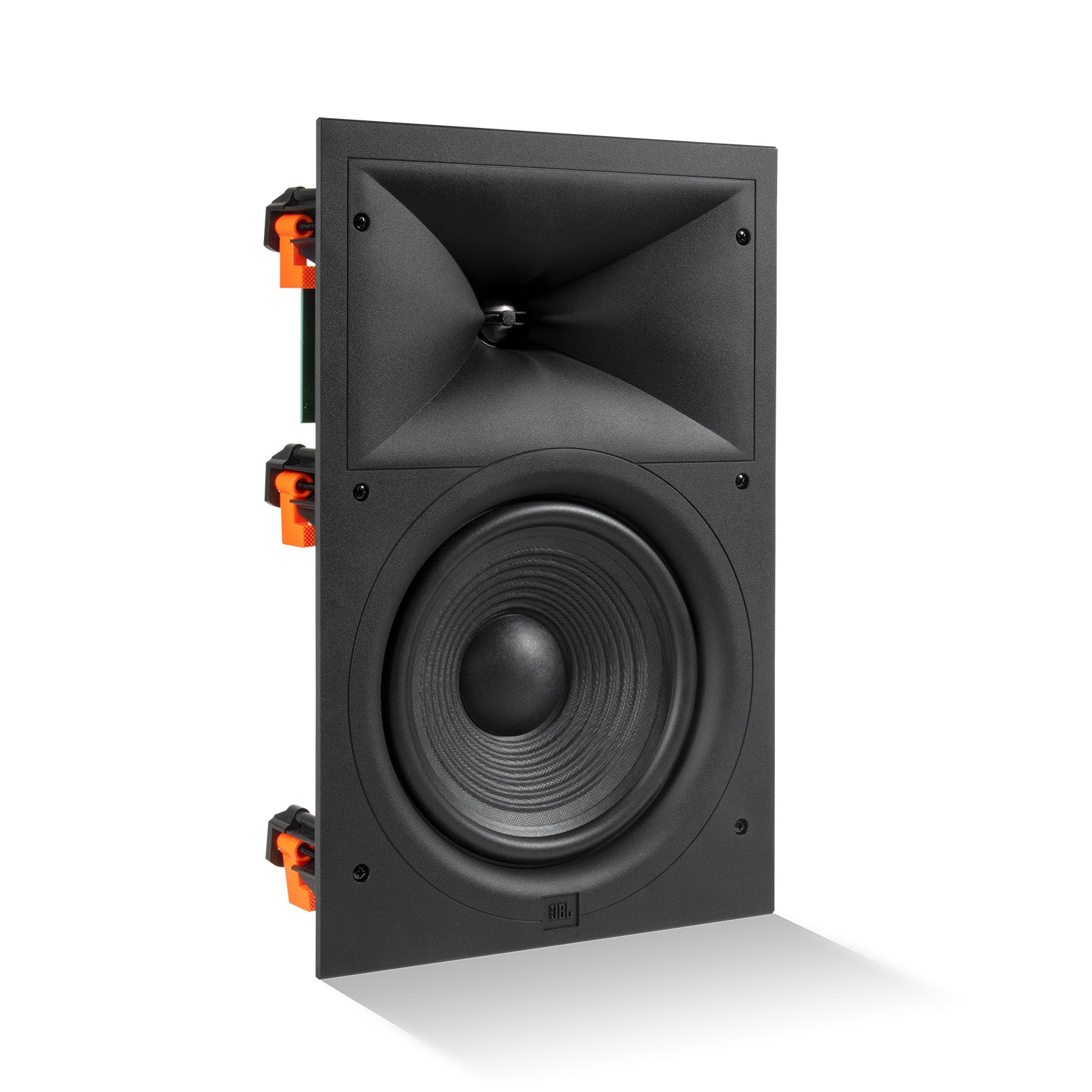
JBL Studio 2 8IW
JBL Studio 2 8IW
Built-in speaker
Sale price  / pcs. $550.00
(5.0)
Søren Linemann

By Søren Linemann

Head of E-commerce

Read more about the specialist

Specialist in:

The latest addition to the team is Søren, who is in charge of e-commerce. He may not be quite as technical when it comes to hi-fi as the rest of the team, but he is razor-sharp when it comes to giving you the best online experience. If you run into any problems with our shop or have ideas for improvements, please don’t hesitate to contact him.

Speakers

The speaker is an essential component in the production of sound and music. They are found in large numbers in our everyday lives and are used everywhere we go. In the car, in our mobile phones and TV sets, etc.

What is typical of a speaker is that it requires some form of power to play. It receives this through an amplifier, which is capable of setting the speaker’s diaphragm in motion, thereby creating sound waves/vibrations that we perceive through our ears as sound. This is the short and simplified explanation of how a speaker works.

Speakers come in many forms, types, and sizes. Most importantly, however, you should choose the speakers that match your exact needs.

Passive speakers

A passive speaker has no built-in amplifier and therefore needs a separate amplifier to produce sound. This type of speaker is what we typically know from a classic stereo system with two speakers, an amplifier, a CD player, etc.

Active and wireless speakers

Unlike the passive speaker, the active speaker has a built-in amplifier that enables it to play without the use of a separate amplifier. We typically encounter these active speakers in everyday life as soundbars, boomboxes, and the well-known kitchen radio. However, in recent years, a number of great-sounding stereo speakers have also entered the market for even serious listening. Several of these active speaker solutions also include built-in options for streaming from various services via Bluetooth, Wi-Fi, Chromecast, or Airplay2.

Active and wireless speakers are the perfect solution for anyone who wants excellent sound without taking up too much space. In addition, several of these active solutions also offer so-called “multi-room sound,” allowing you to have audio in several rooms at once.

Floorstanding speakers

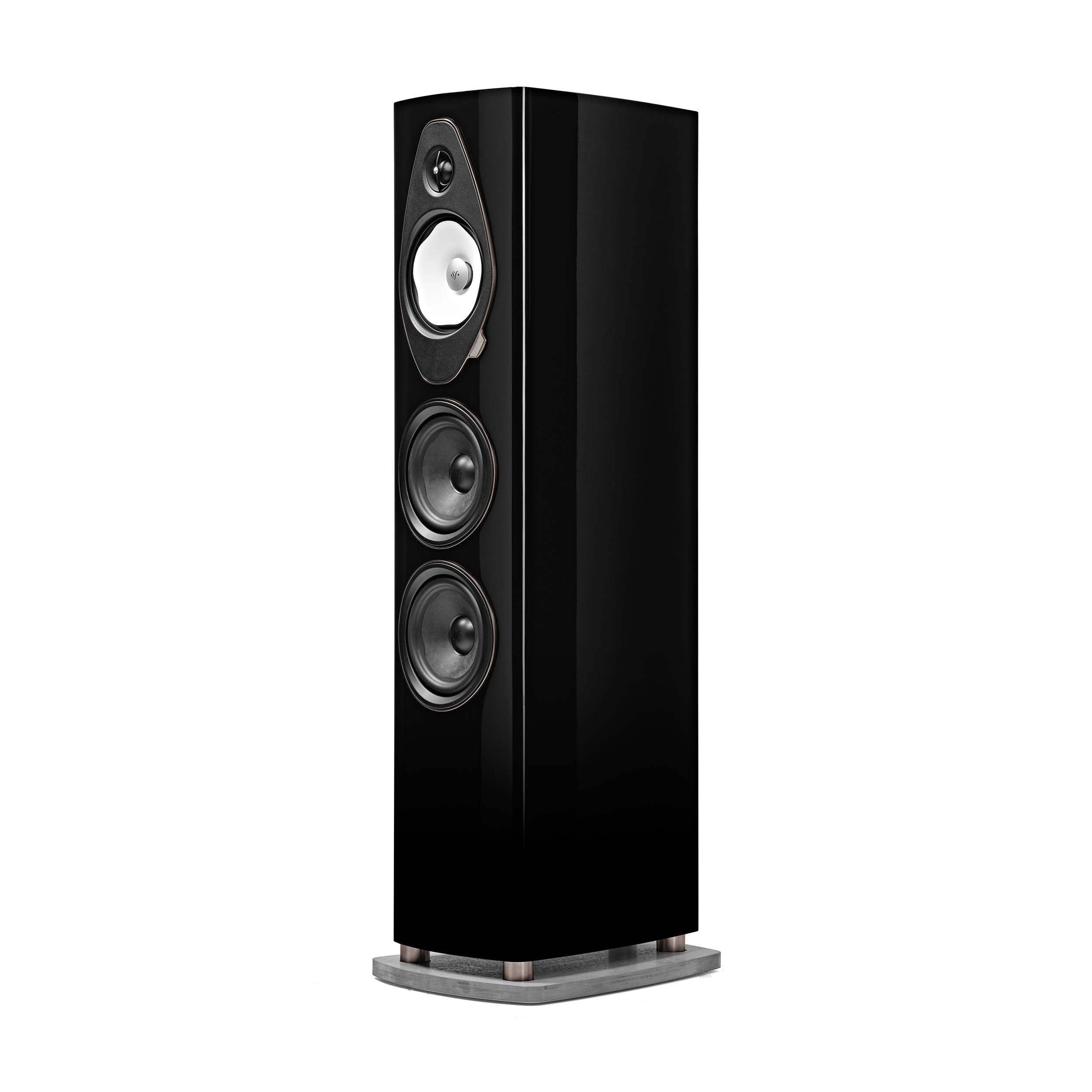
The floorstanding speaker should be regarded as the ultimate sound reproducer. Unlike the smaller compact/bookshelf speakers, this type of speaker is capable of reproducing all aspects of music, especially the deeper octaves found in music, which are necessary to achieve a fully realistic reproduction as the music was originally intended.

A floorstanding speaker delivers a realism and scale of sound that the smaller alternatives cannot reproduce in the same way. This is typically because a floorstanding speaker has a larger physical presence in the form of a bigger cabinet, but generally also larger and more speaker drivers. The downside is that this type of speaker takes up more space in your listening room compared with the compact speaker solution.

A floorstanding speaker also tends to place greater demands on the environment in which it is placed, and here the size and nature of the room have a major influence on the overall result. However, this is the type of speaker where you find the ultimate sound experiences.

Compact speakers

These smaller alternatives to floorstanding speakers are typically used in smaller rooms where space matters more than it does for users of floorstanding speakers. However, many compact/bookshelf speakers are mounted on a base or stand, which ultimately means that they take up the same floor space as floorstanding speakers.

With compact speakers, the size of the room is also crucial, as the smaller speakers do not play as deep or as powerfully as floorstanding models. Therefore, compact speakers can be easier to adapt acoustically in a smaller room. Although these compact speakers do not have the same depth and weight in the sound as a floorstanding speaker, there should be no doubt that you can still get sublime sound reproduction from smaller speakers.

How do I choose my speakers?

1. First, think about what your musical needs are. How often do you listen to music, and how much does sound quality matter to you? This can ultimately serve as a “guideline” for how much you should invest in your new speakers.

2. Think about how much space you have available for your new speakers. Should they be passive or active speakers, should they be floorstanding speakers or a compact/bookshelf speaker solution? Here, the size of the room is crucial. How many square meters do you want to fill with sound? This always matters whether you choose a passive or an active speaker.

3. If you choose the passive solution, pay attention to which equipment your new speakers will be used with. Here, we are thinking especially about which amplifier you will be using. It does matter which speakers you use with your amplifier. Seek advice and guidance here if you are in doubt.

What does a speaker consist of?

A speaker basically consists of a cabinet in which some speaker drivers are mounted and connected to a so-called crossover.

1. Tweeter

The tweeter is the driver that handles the highest frequencies in music; this is where harmonics in voices and instruments are typically found. The tweeter is possibly the most critical driver in your speaker, as it is crucial to the stereo perspective. In other words, it matters for your speakers to interact properly with each other.

The tweeter is also where all the fine and delicate nuances arise, so a good tweeter is very important for the overall sound reproduction. Typically, there are two types of tweeter drivers: the more traditional “dome” tweeter and the lesser-known ribbon tweeter. These two types perform the same tasks in the speaker, but they can sound very different. Here, it is a matter of listening to which type suits you best.

2. Midrange

The midrange is the driver that primarily handles the frequency range where the core substance of voices and instruments is found in music. The human ear is quite sensitive in this very range, and therefore it is also important here that the midrange is of high quality.

3. Bass

The bass driver is the driver that reproduces the deeper octaves in music. The larger the bass driver, the deeper and more powerful the bass it can produce. This is especially where you should pay attention to the size of your room and the placement of the speakers in the room.

If you choose speakers that have large bass drivers, you should be aware of whether your room is large enough to match the bass reproduction from your bass drivers. Otherwise, it will typically result in a “booming” and exaggerated bass reproduction.

4. Crossover

The crossover mounted inside the speakers has the task of distributing duties to the different drivers in the speakers. It is the crossover that determines which drivers should play the various frequencies in the music.

Your speaker cables connect to the speaker terminals located on the back of your speakers, and from the speaker terminals there is a direct connection to the crossover, which then sends signals to the speaker’s various drivers.

5. Watts and power handling

Watts are the unit of measurement for electrical power, and in a speaker, the watt rating indicates the amount of power the speaker can tolerate. The more watts, the greater the load the speaker can generally handle.

Power handling indicates how many watts must be supplied to the speaker for it to produce a sound pressure level of 96 dB measured at a distance of 1 m. Simply put, power handling expresses how much power the amplifier needs to drive the speakers. At the same time, it is an indicator of how powerful an amplifier you need to use with the speakers in question. It is always important that the speaker’s electrical characteristics match the amplifier that will be driving them.

6. Speaker placement

How you place your speakers has a major influence on the overall sound quality. As a rule, a set of stereo speakers should be placed facing the preferred listening position, so that the speakers’ drivers are directed toward the listener.

Ideally, the speakers should be placed so that they are approximately the same distance apart as they are from the listening position. In other words, in an isosceles triangle. Put another way, it has significant sonic importance that the speakers are the same distance from the preferred listening position. Otherwise, it will impair the perception of the stereo image. In addition, it will affect the rhythm and not least the timing in the music.

Most traditional stereo speakers also need a bit of space around them to sound as intended. Therefore, as a rule, they should have some distance from the rear wall. Typically 20-50 cm. If possible, placing the speakers directly in the corners should be avoided, and it may also be necessary to angle the speakers slightly toward the listening position in order to achieve a good stereo image and a coherent soundstage.

Some speakers place higher demands than others on their placement in your listening room, and here you should seek advice and guidance if you are in doubt. At Lydspecialisten, we are always ready to guide you and answer your questions. That is why we are here.

Speaker

Guide: Sådan indstiller du din pladespiller korrekt
Pladespiller

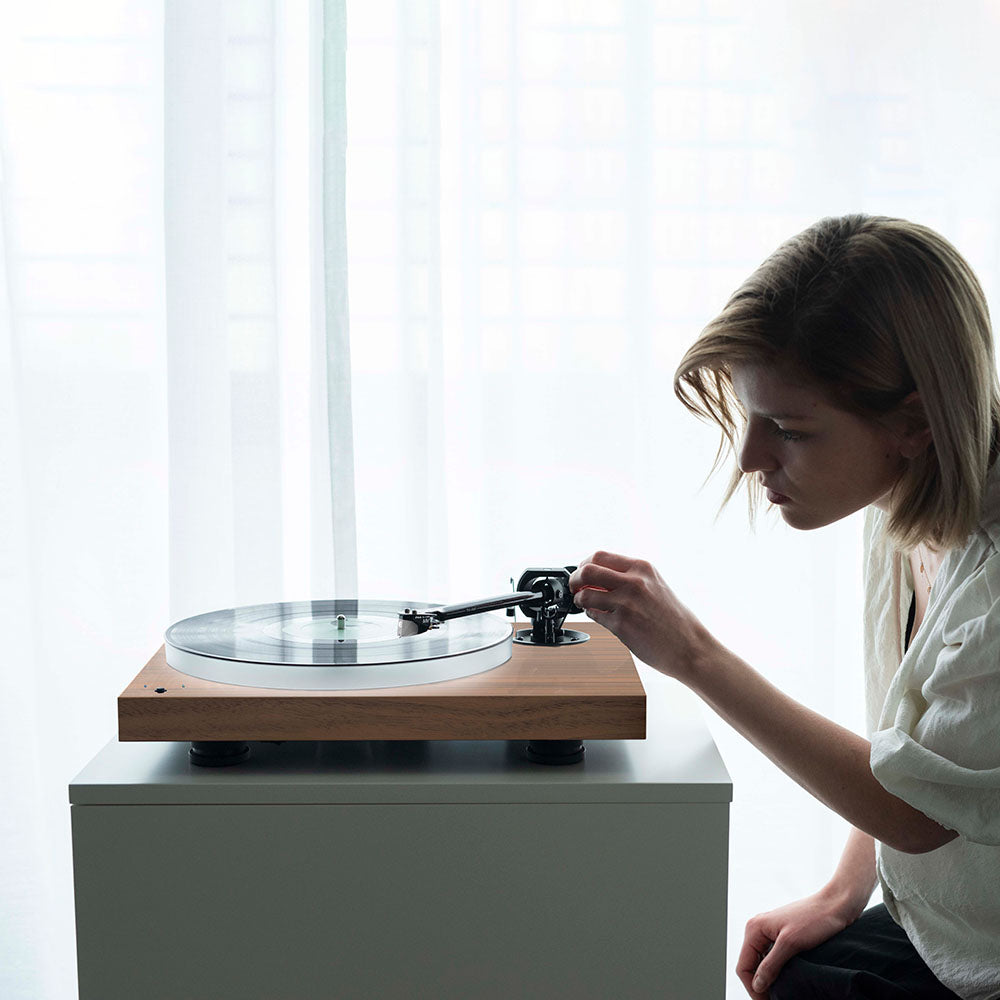
Guide: How to set up your turntable correctly

With a few simple steps, you can get your turntable playing like a dream. Follow these 5 steps to get better sound quality and longer life from your turntable and records.

Read more
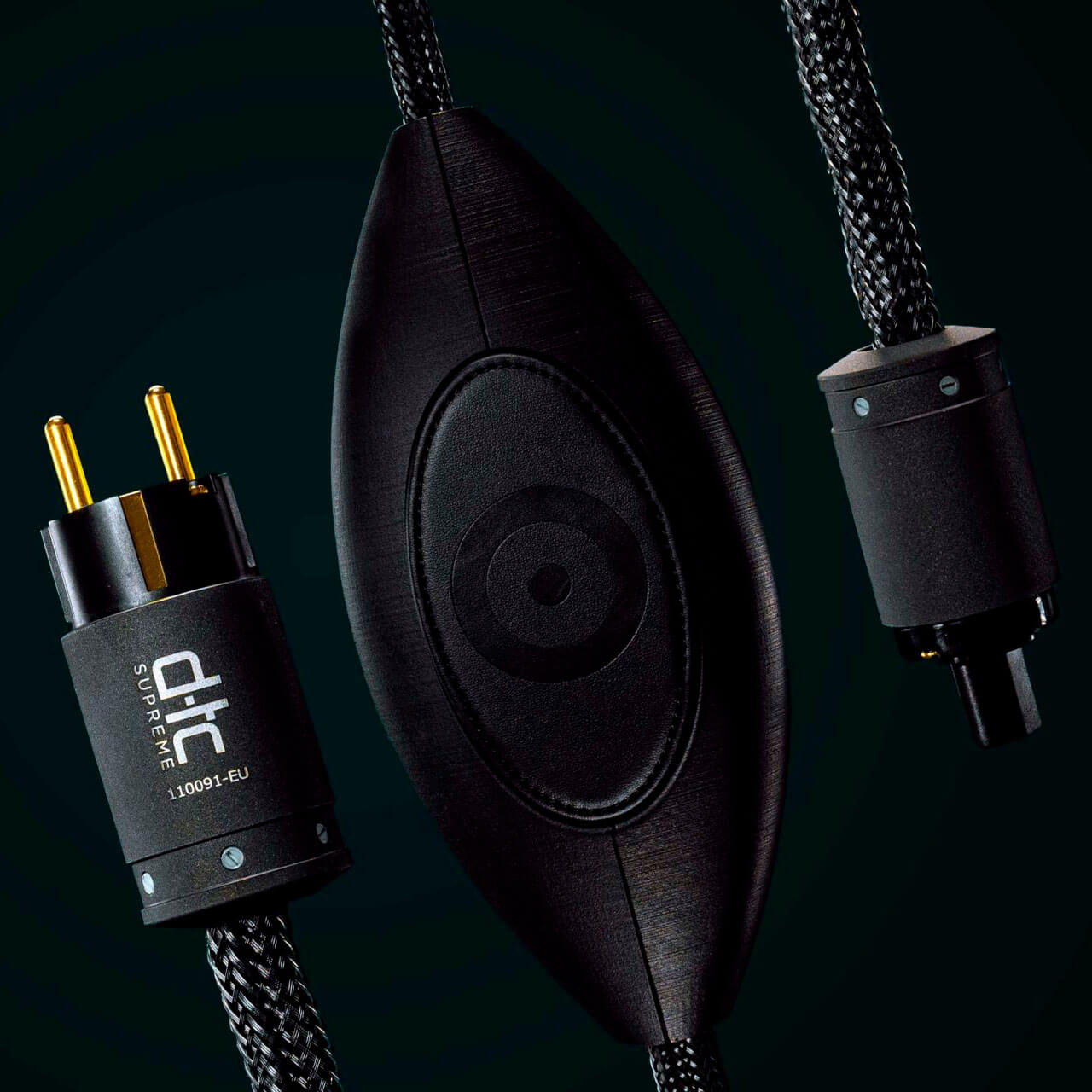
Strøm - Fundamentet for dit Hi-Fi system
Kabler & Strøm

Power - The foundation of your hi-fi system

Why is it important to have control over the power supply, and why does it make a difference to your sound quality? There is a very simple reason for that, which we explore in this article.

Read more
×
LYD+
The member price is only available when you are logged in as a member and subscribe to the newsletter.

Not a member?

Get access to member prices, personal offers on your favorite brands, and much more as a LYD+ member. Completely free.
Become a member