












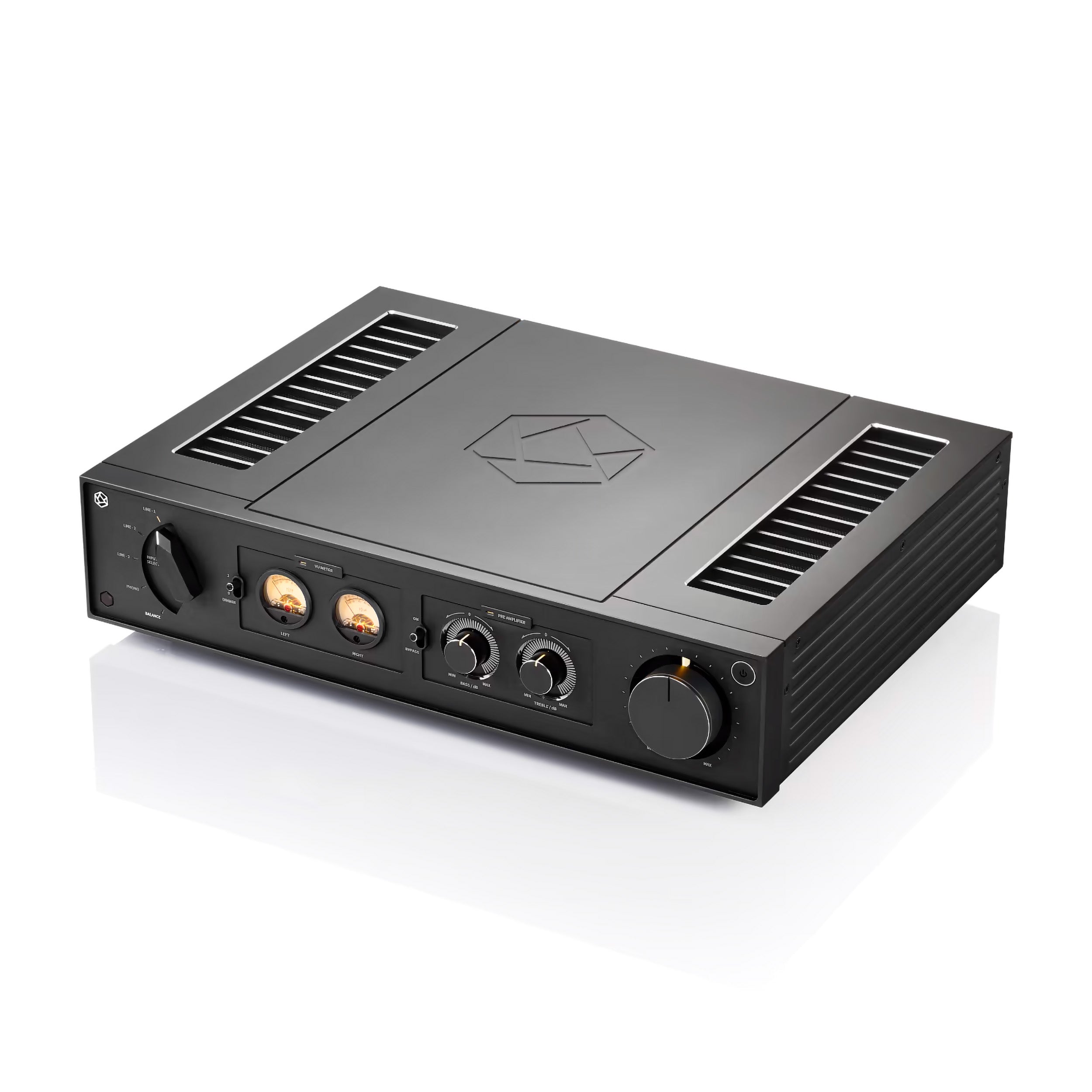
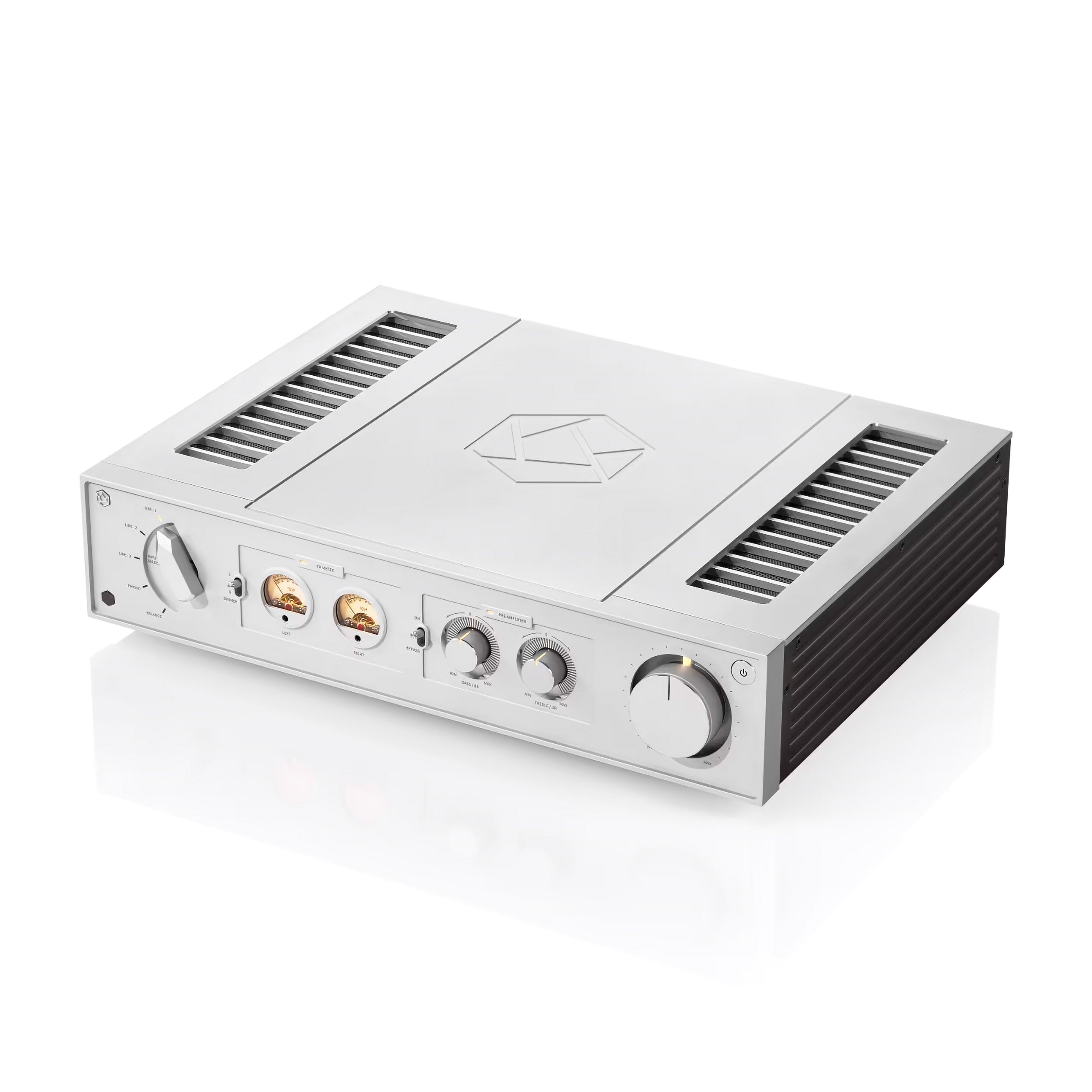
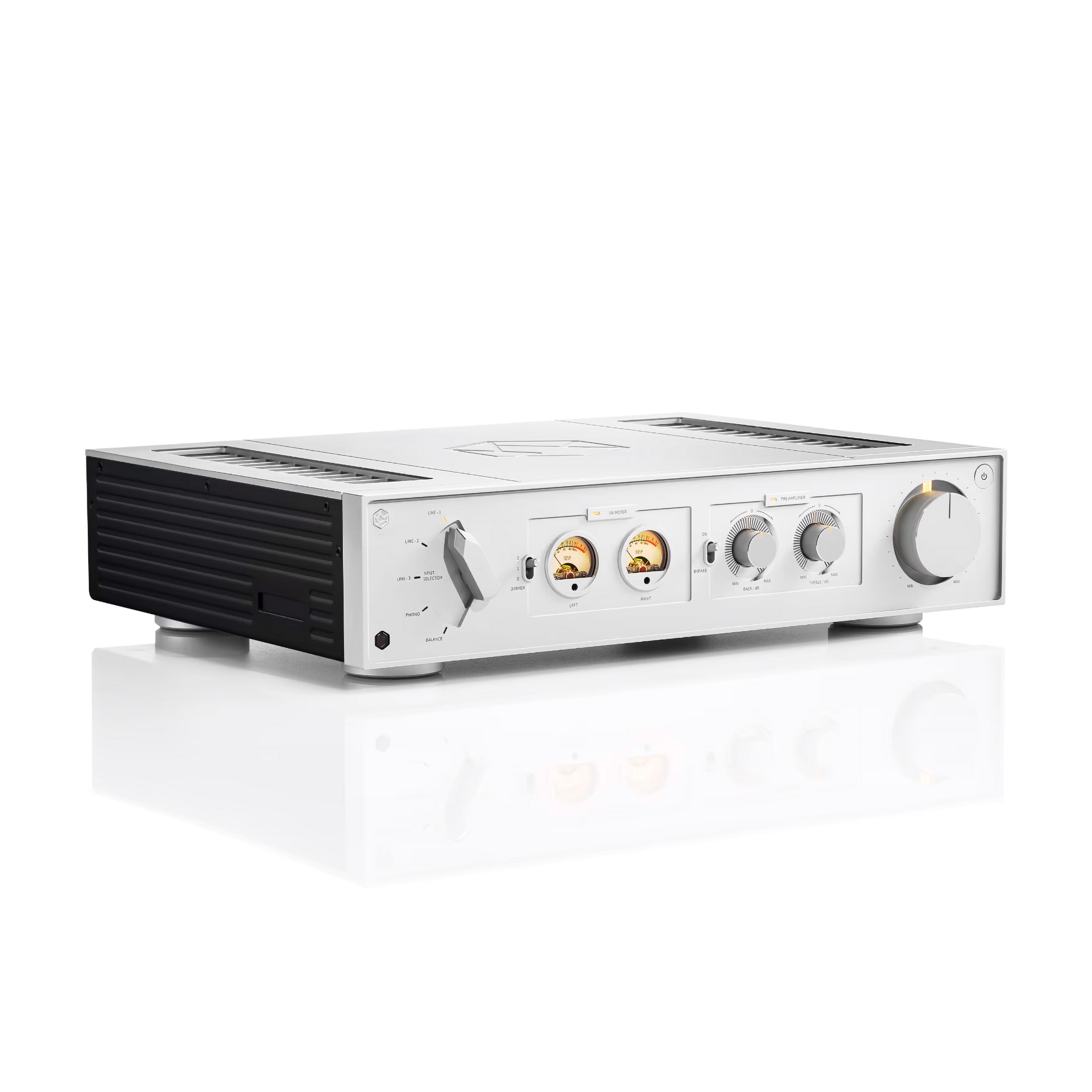
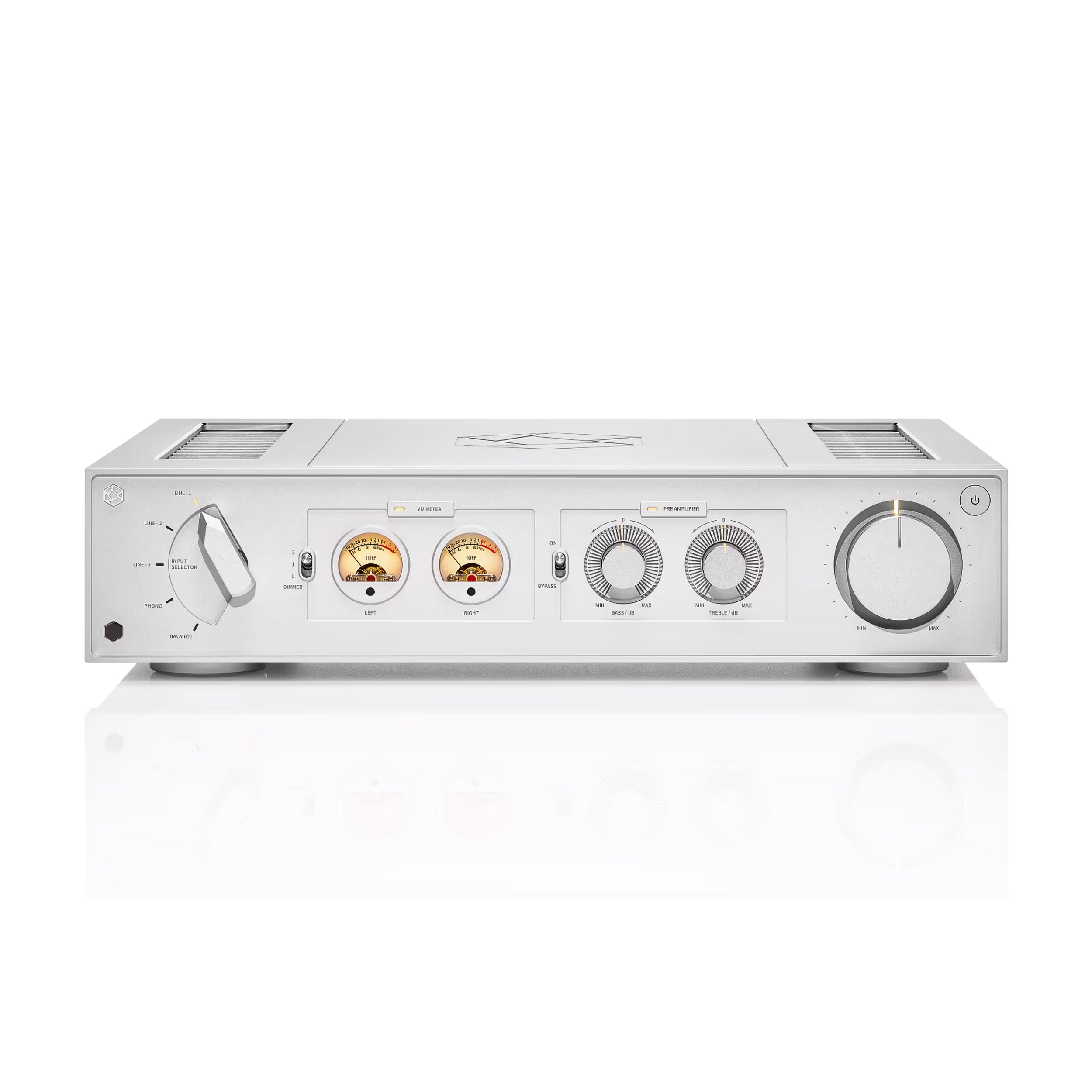
HiFi Rose RA280
24-hour support
Payment options
HiFi Rose RA280 – plenty of power with a focus on the analog music experience
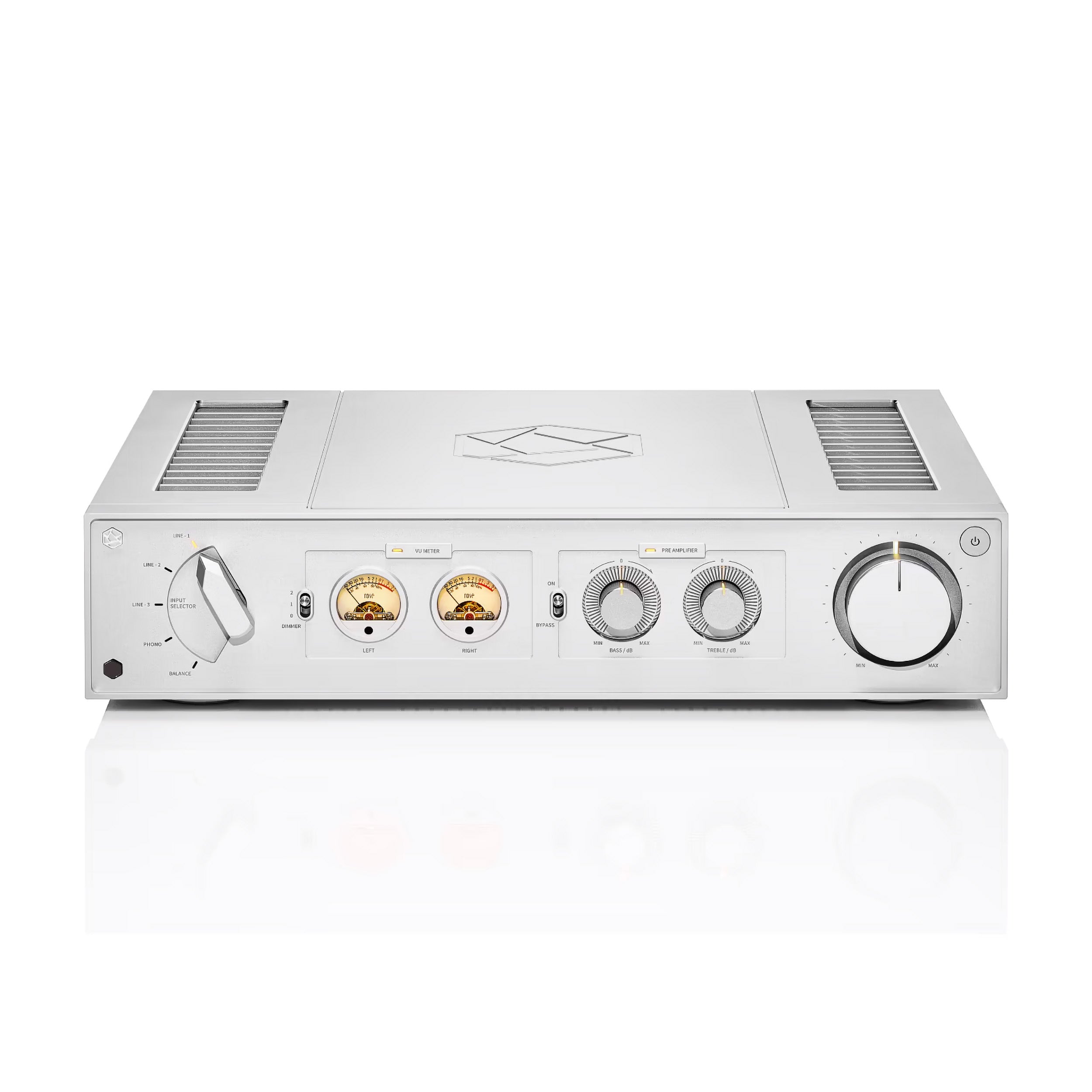
HiFi Rose RA280 is for those who want a powerful integrated amplifier, while still prioritizing natural and engaging reproduction over watts alone. And that combination is exactly what we think makes the RA280 interesting. You get 2 x 250 watts, HiFi Rose's class-AD technology, and GaN FET transistors, so there is power for many different speakers – but the design is about more than raw output.
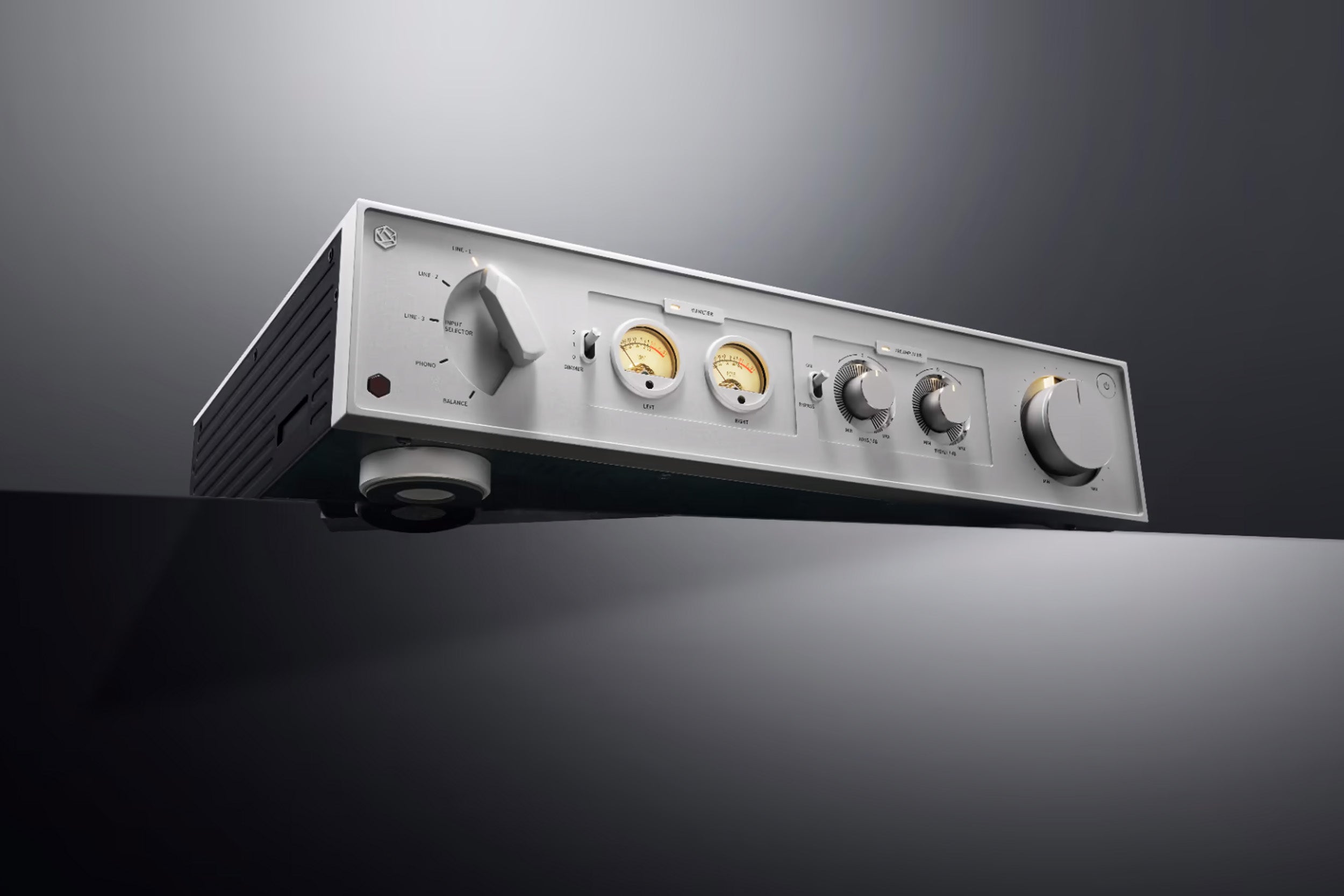
Separate amplifier modules for the right and left channels and advanced analog filtering have been developed with a focus on precision and low distortion. At the same time, you get MM phono stage, balanced inputs, a subwoofer output, and classic VU meters. To us, the RA280 strikes an exciting balance between modern amplifier technology and a more classic, analog approach to hi-fi.
Highlights
- 2 x 250 watts at 8 and 4 ohms
- Class-AD amplifier with GaN FET technology
- Separate mono amplifier modules for the right and left channels
- Advanced two-stage analog filtering
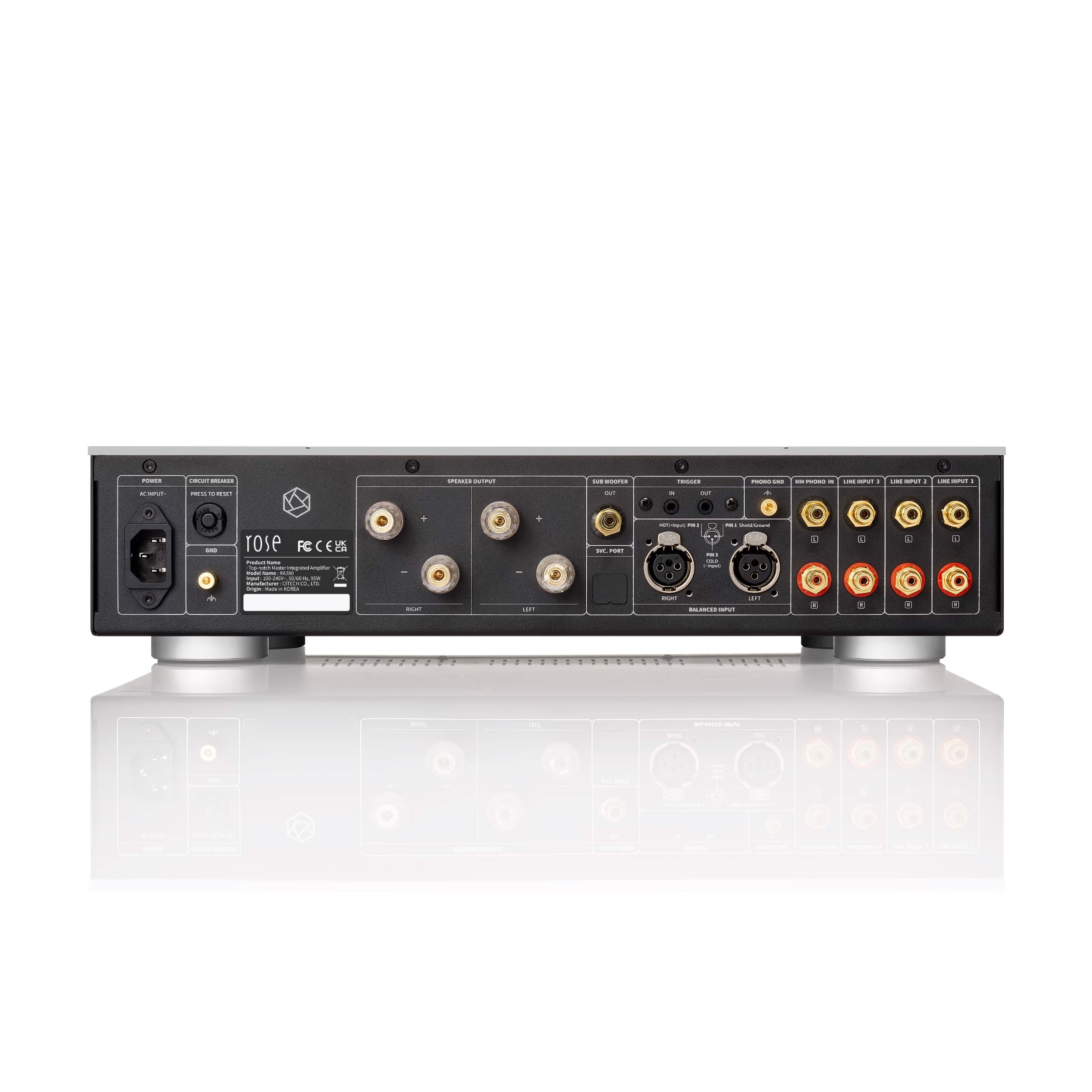
- Balanced XLR and analog RCA inputs
- Built-in MM phono stage
- Subwoofer output
- Bass and treble adjustment with bypass
- Analog VU meters with three light levels
- Solid aluminum chassis
HiFi Rose RA280: 250 watts is also about control
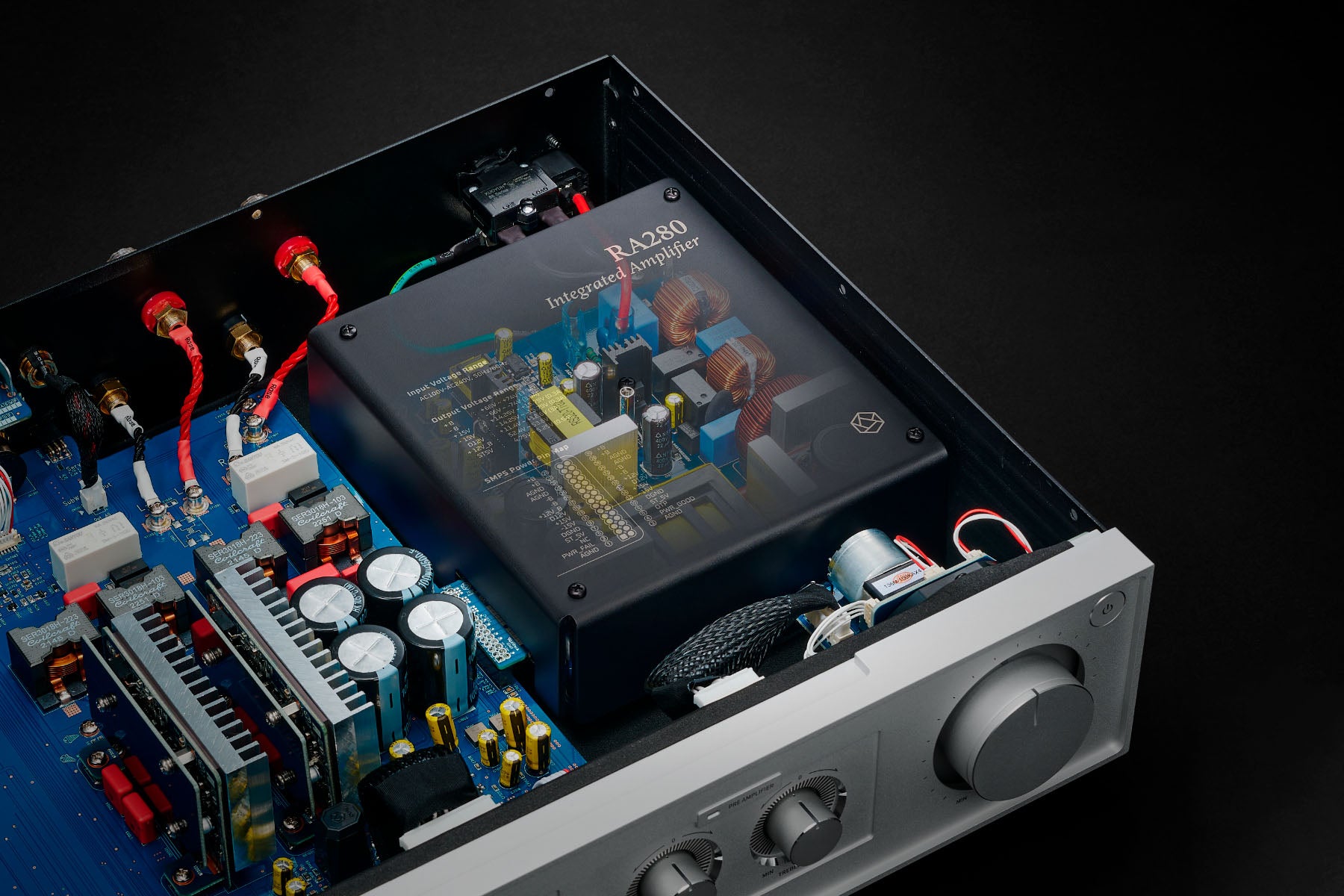
250 watts obviously sounds good on paper, but just as interesting is the way HiFi Rose has built the amplifier. The right and left channels each have their own separate amplifier module, and both can deliver 250 watts at both 8 and 4 ohms.
The class-AD design uses GaN FET transistors together with a two-stage analog filter. The LC filter is designed to reduce the high-frequency carrier noise that occurs in switching amplifier designs. HiFi Rose specifies attenuation of -1 dB at 65 kHz and -3 dB at 85 kHz.
So it is not just about power. The goal is to combine strength and efficiency with the natural, spacious, and detailed reproduction HiFi Rose wants from the RA280.
The power supply must be able to keep up with the music
A powerful integrated amplifier requires a power supply that can respond when the music demands more. The RA280 therefore uses a power supply with fourth-generation Silicon Carbide FET technology and power factor correction.
The design has been developed with a focus on high efficiency, stable power delivery, and lower heat generation, even when the load changes quickly. The power reserve is therefore not only about being able to play loudly, but also about maintaining control and dynamics throughout the music.
Vinyl and analog sources have been considered from the start
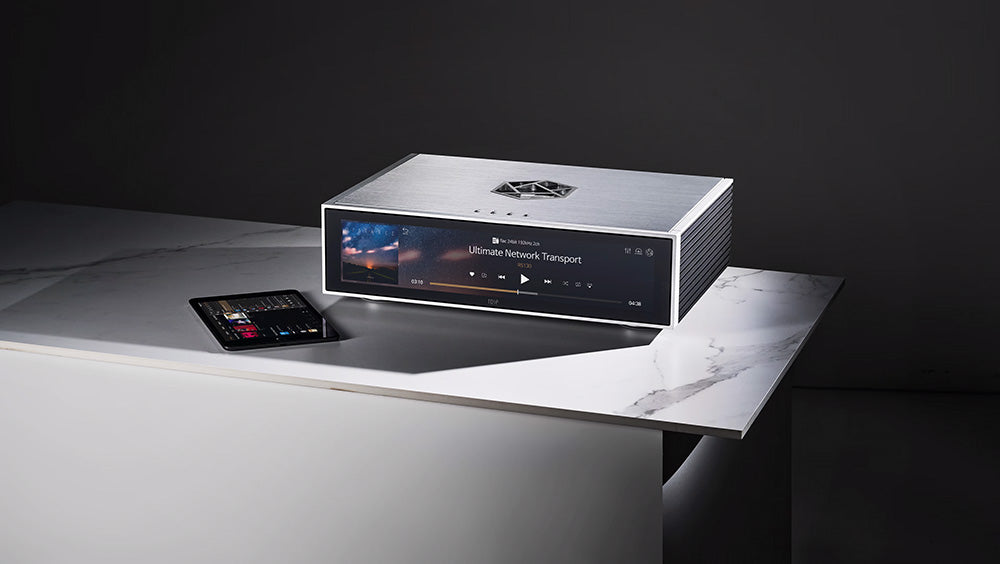
HiFi Rose RA280 keeps the digital and analog parts of the system separate. There is no built-in streamer or DAC – and we actually think that makes good sense if you already have a digital source you are happy with.
Instead, you get three line-level RCA inputs, balanced connectivity, and a dedicated phono input for turntables with an MM cartridge. The RIAA section has been developed with a focus on processing the cartridge's low-level signal as accurately as possible.
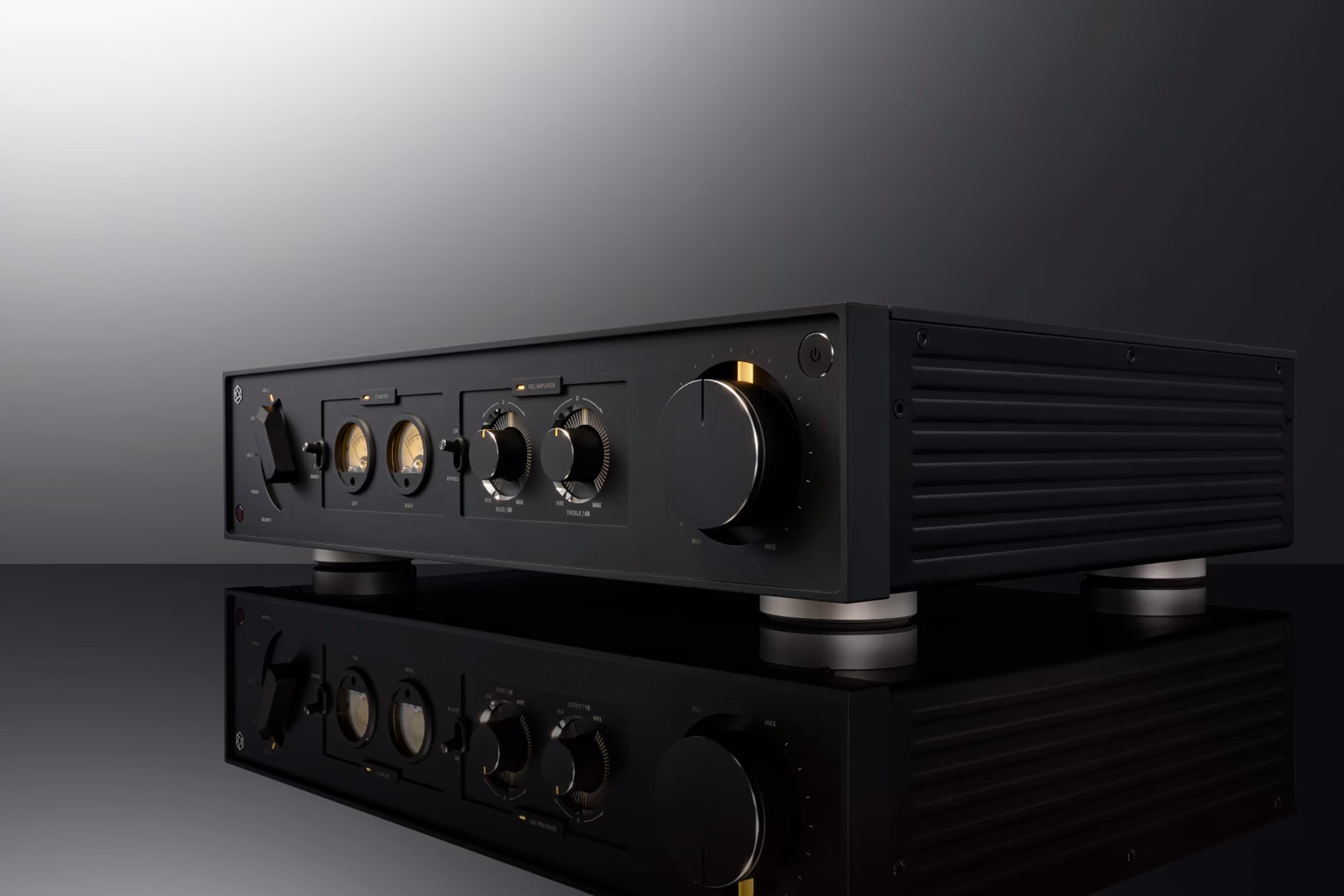
You can also connect an active subwoofer via the mono RCA output. Bass and treble controls allow for minor adjustments, while the tone control can be bypassed if you prefer the direct signal path.
A design that is welcome to be part of the room
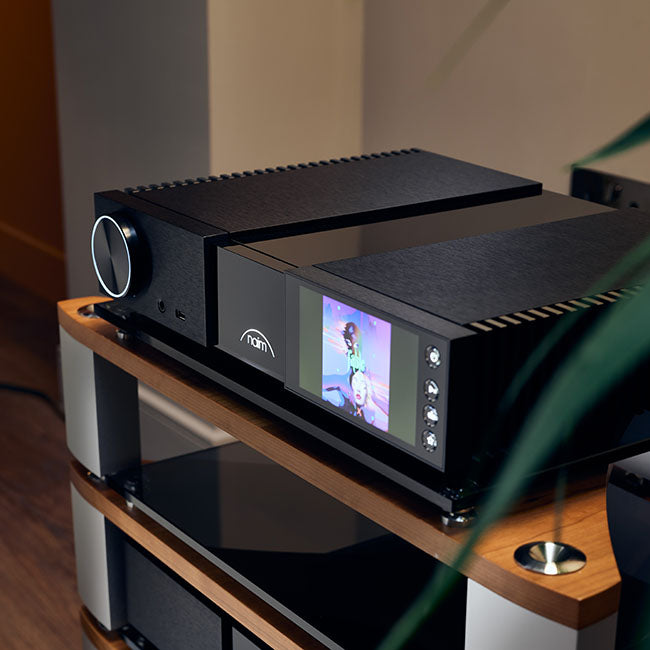
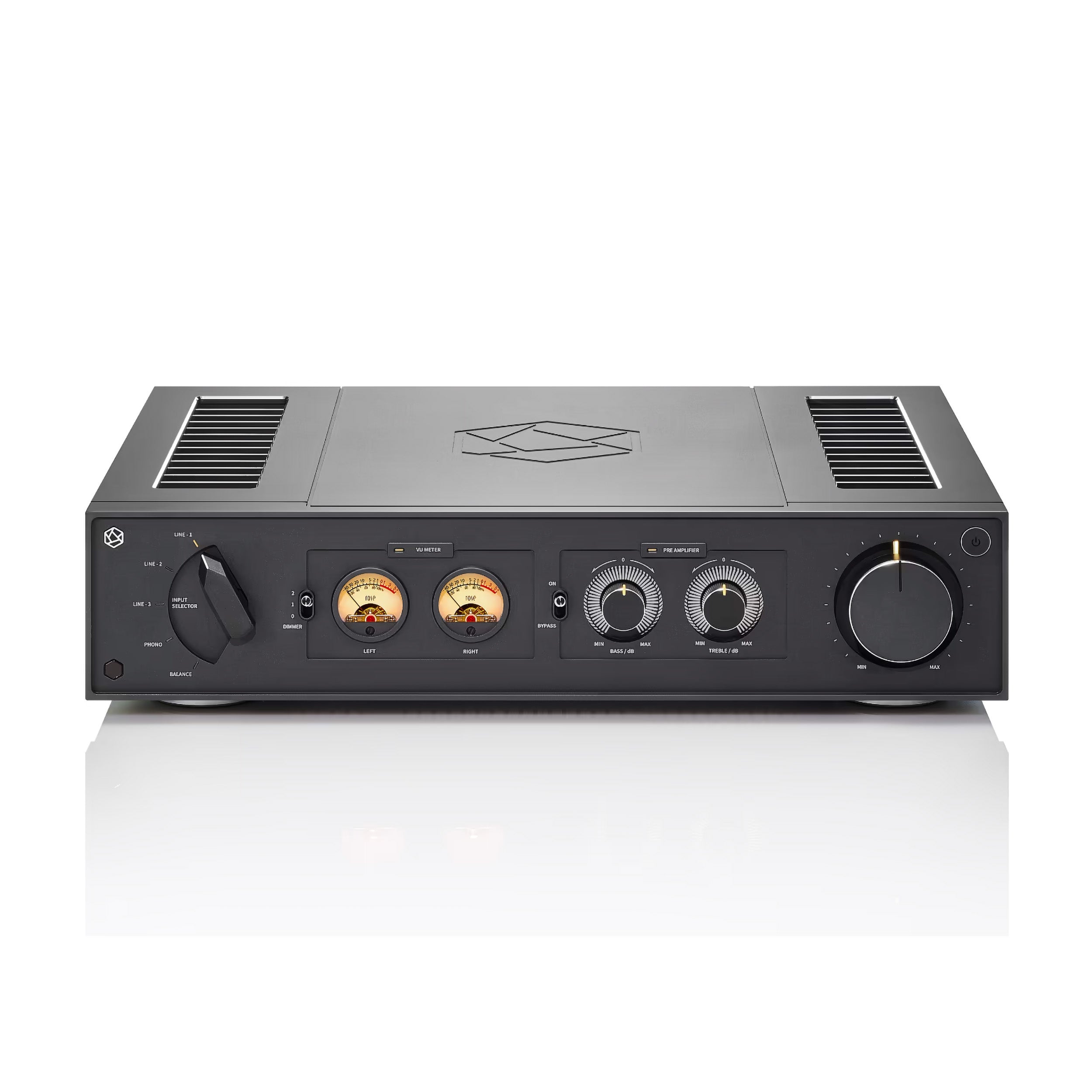
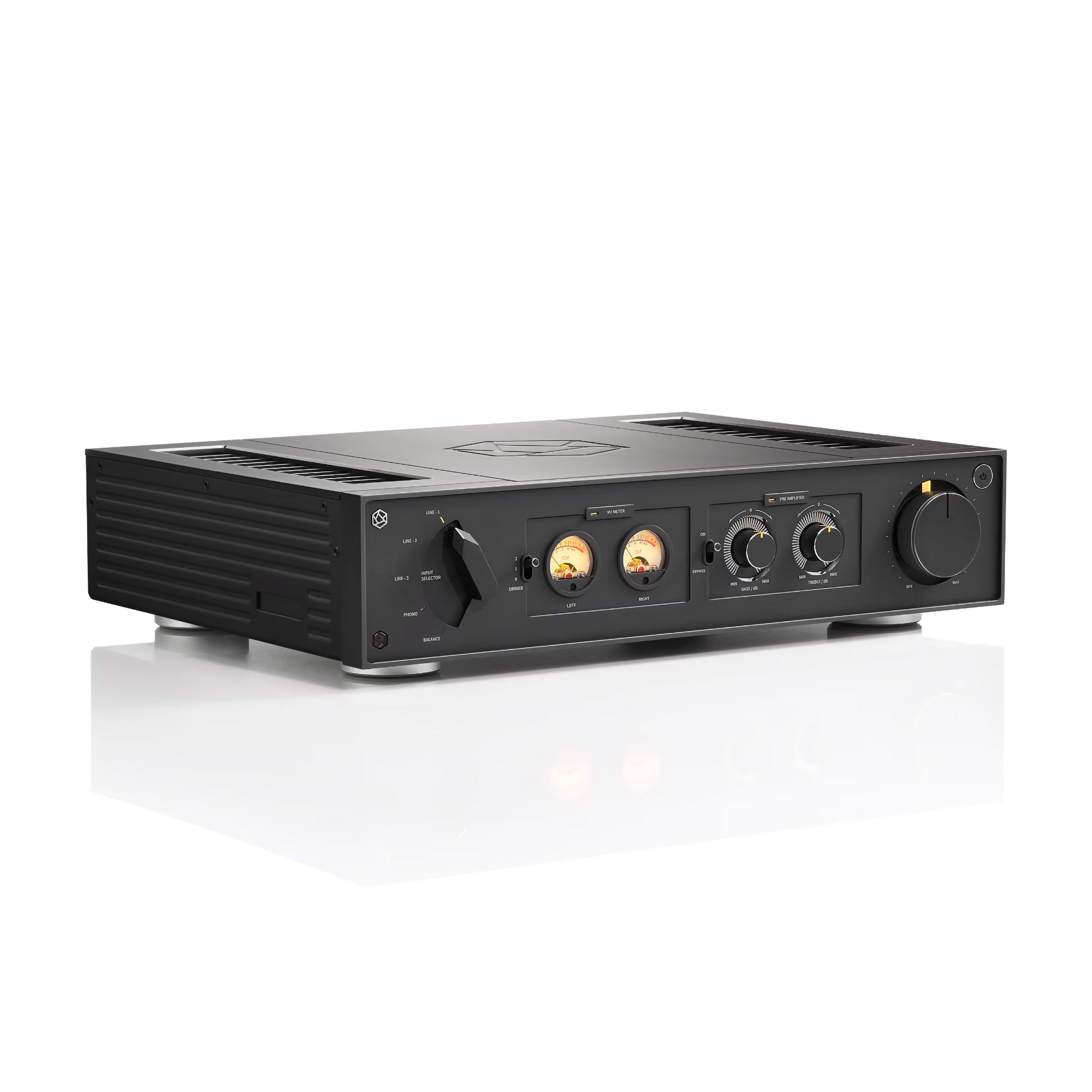
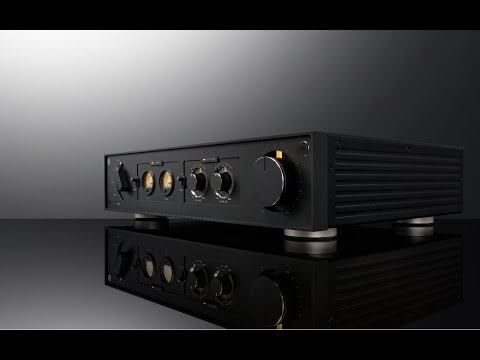
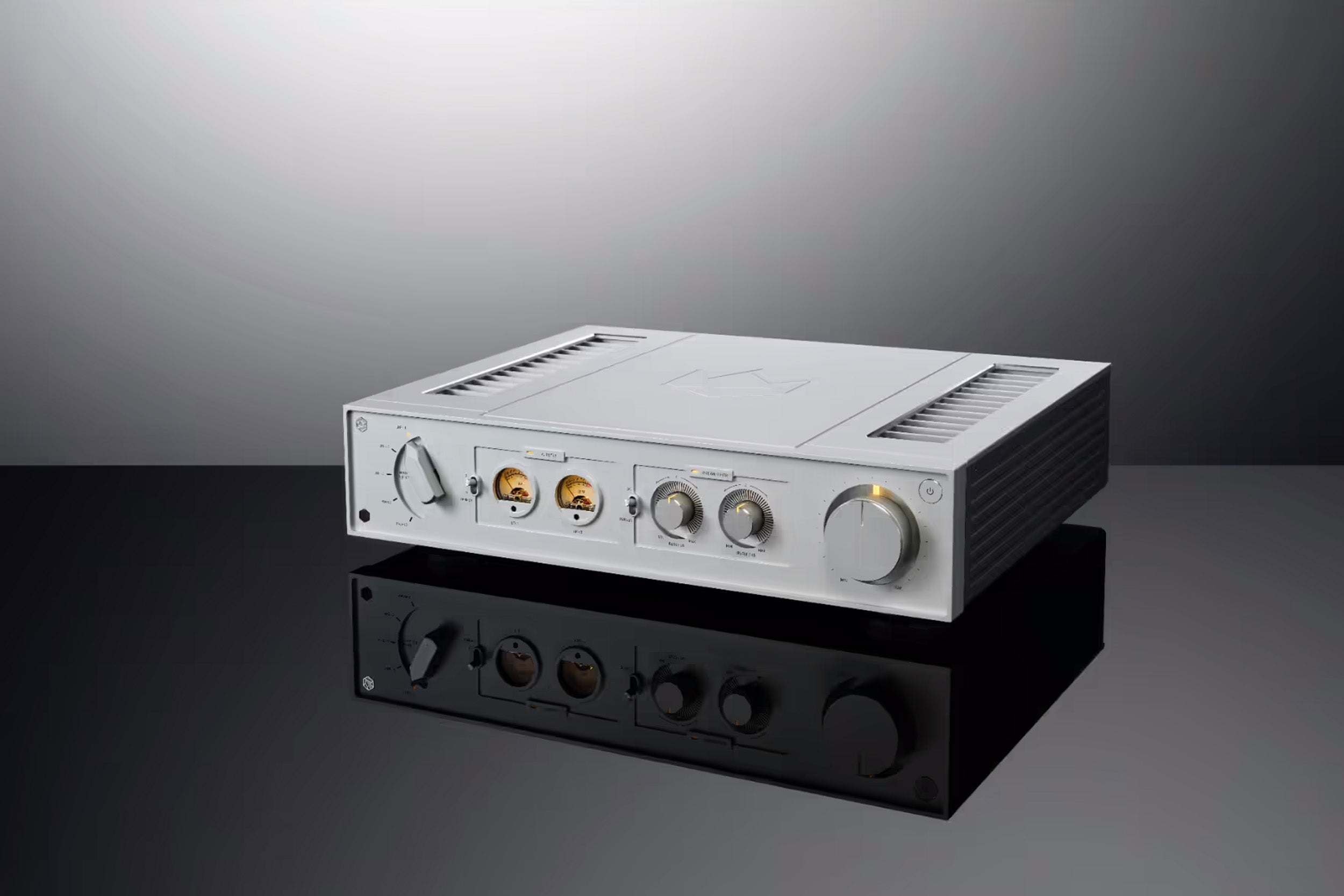
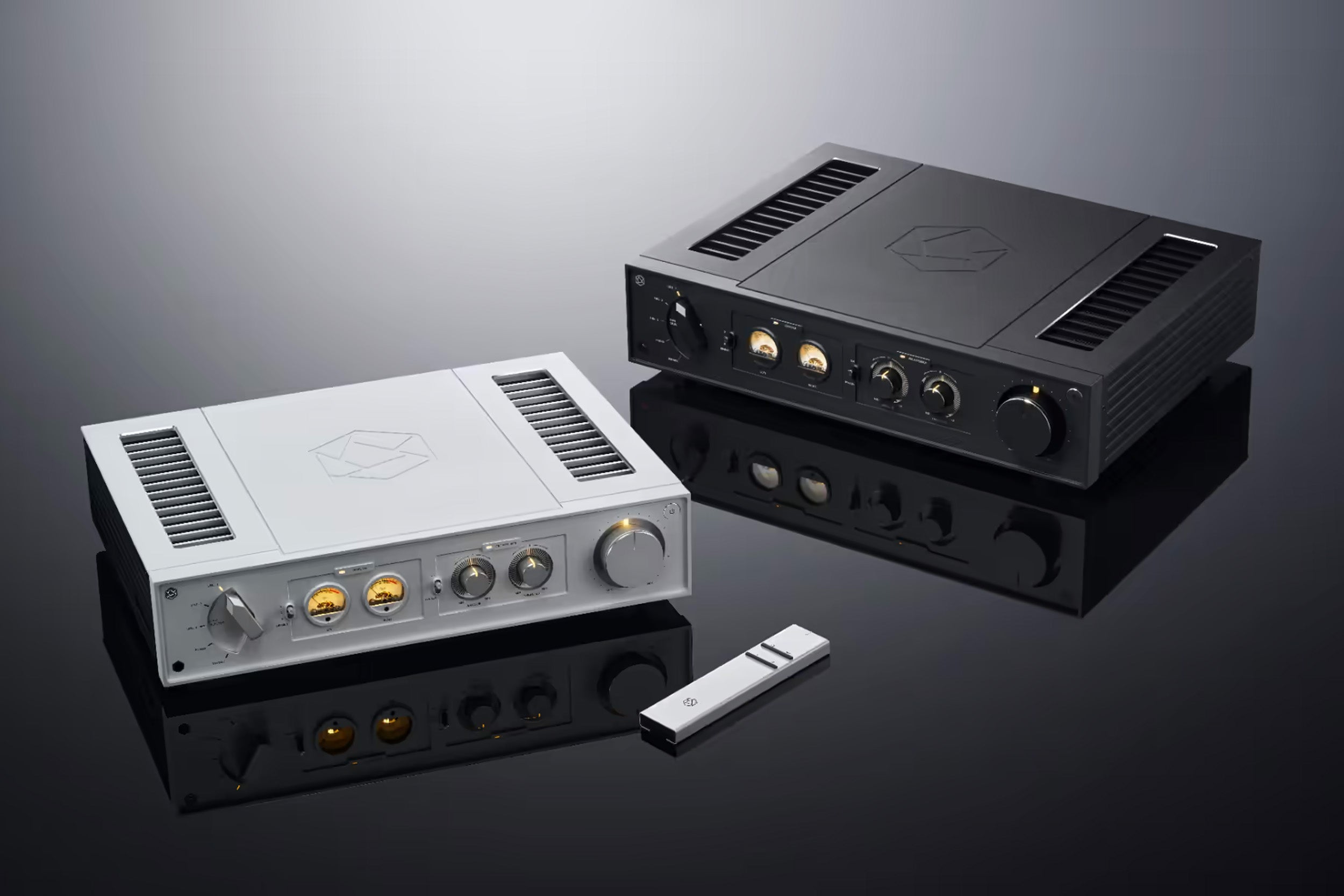
The RA280 is built into a solid aluminum chassis, but fortunately HiFi Rose has not made the amplifier anonymous. The two analog VU meters give the front a classic look and move with the music, while the lighting can be set to three levels.
We think the combination of classic VU meters and modern amplifier technology suits the RA280 well. It makes especially good sense together with a good separate streamer or DAC, where the RA280 can focus on what it was built for: analog signal processing and the work of driving the speakers.
Did you know?
✓ You get 30 days of Buy & Try
✓ You get an extra year of warranty when you sign up for our newsletter
✓ You get free shipping over 499,-
Test of HiFi Rose RA280

Videos
Choose options
Would you like to know more?
FAQ

Not a member?