
















Chord Ground ARAY
24-hour support
Payment options
Chord GroundARAY - Effective noise reduction for your hi-fi
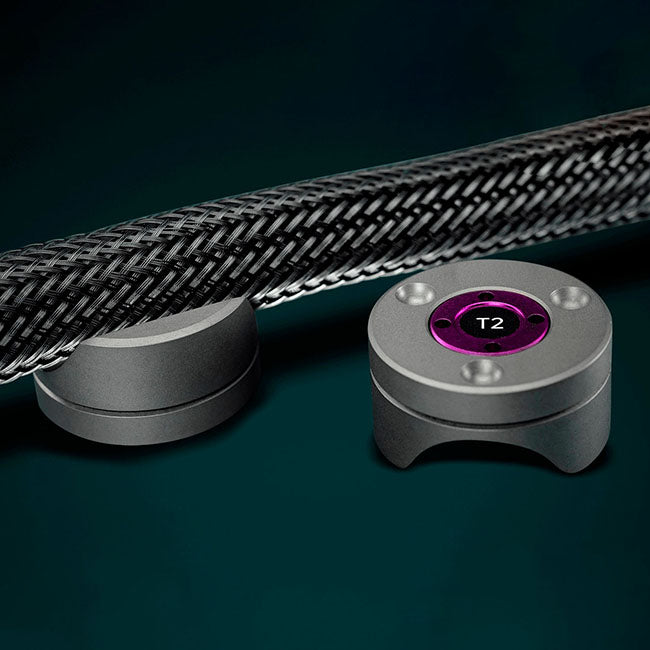
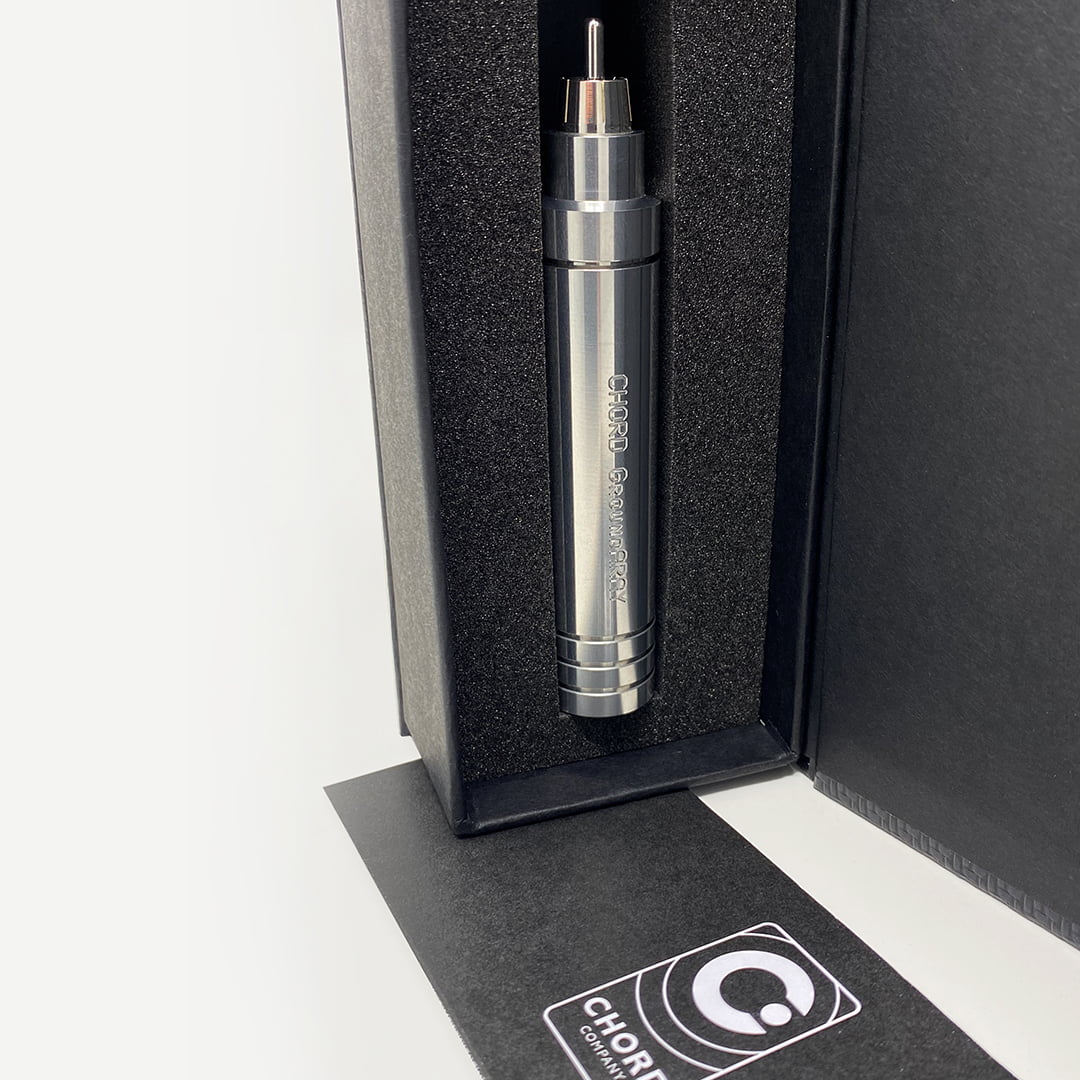
GroundARAY is a next-generation high-frequency noise reduction device that connects to unused sockets on hi-fi and/or audiovisual equipment, providing a low-impedance path for HF noise to pass through, directly improving the noise floor of the host product.
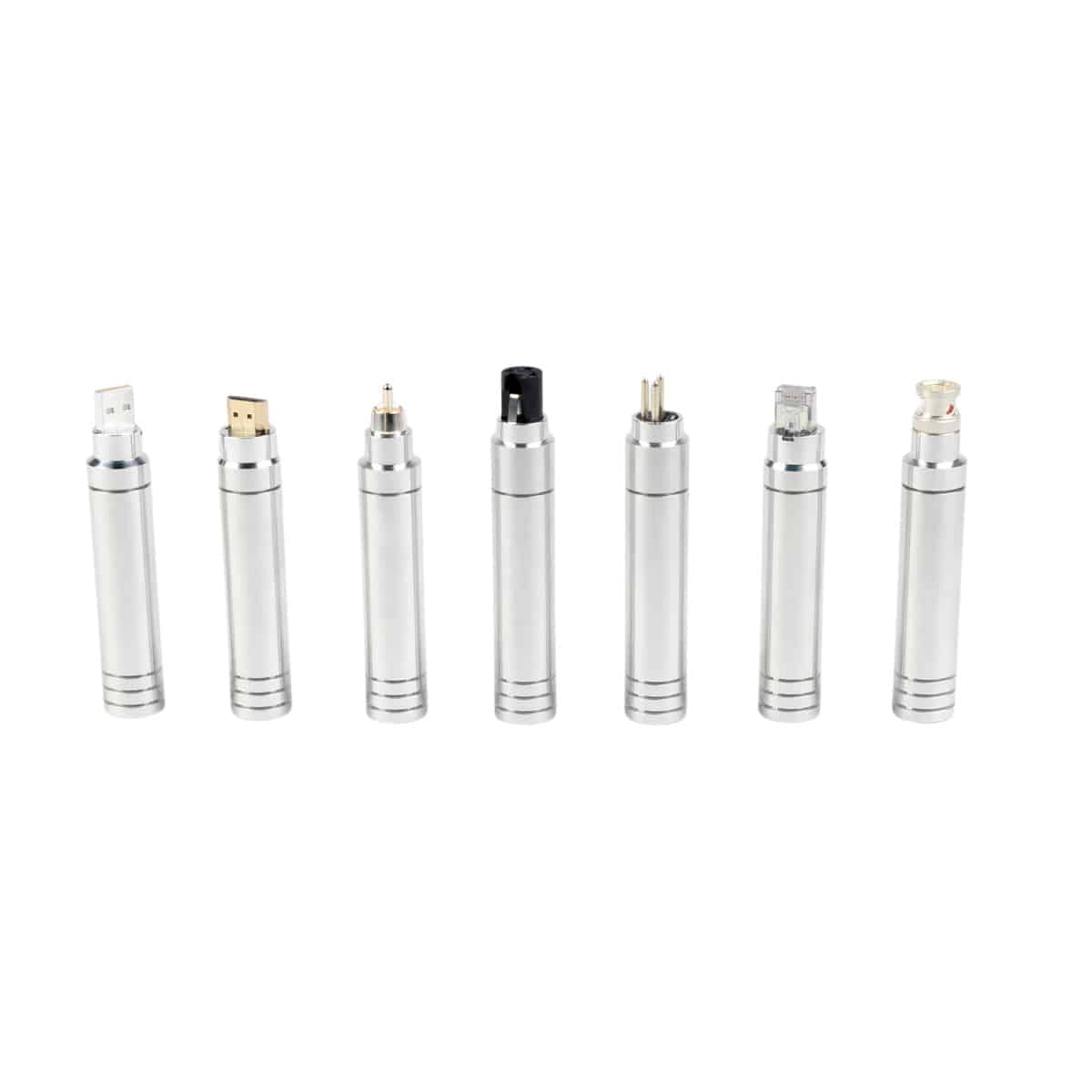
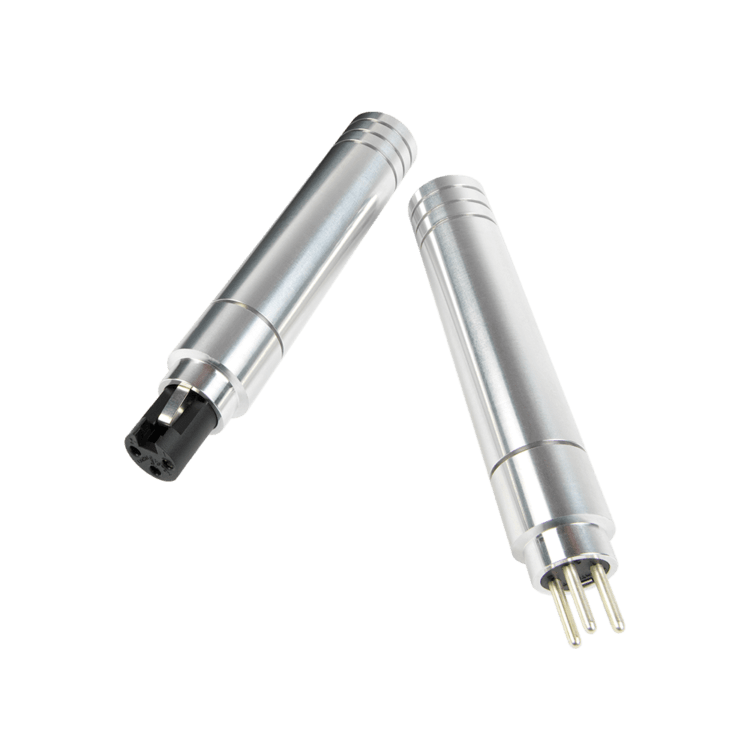
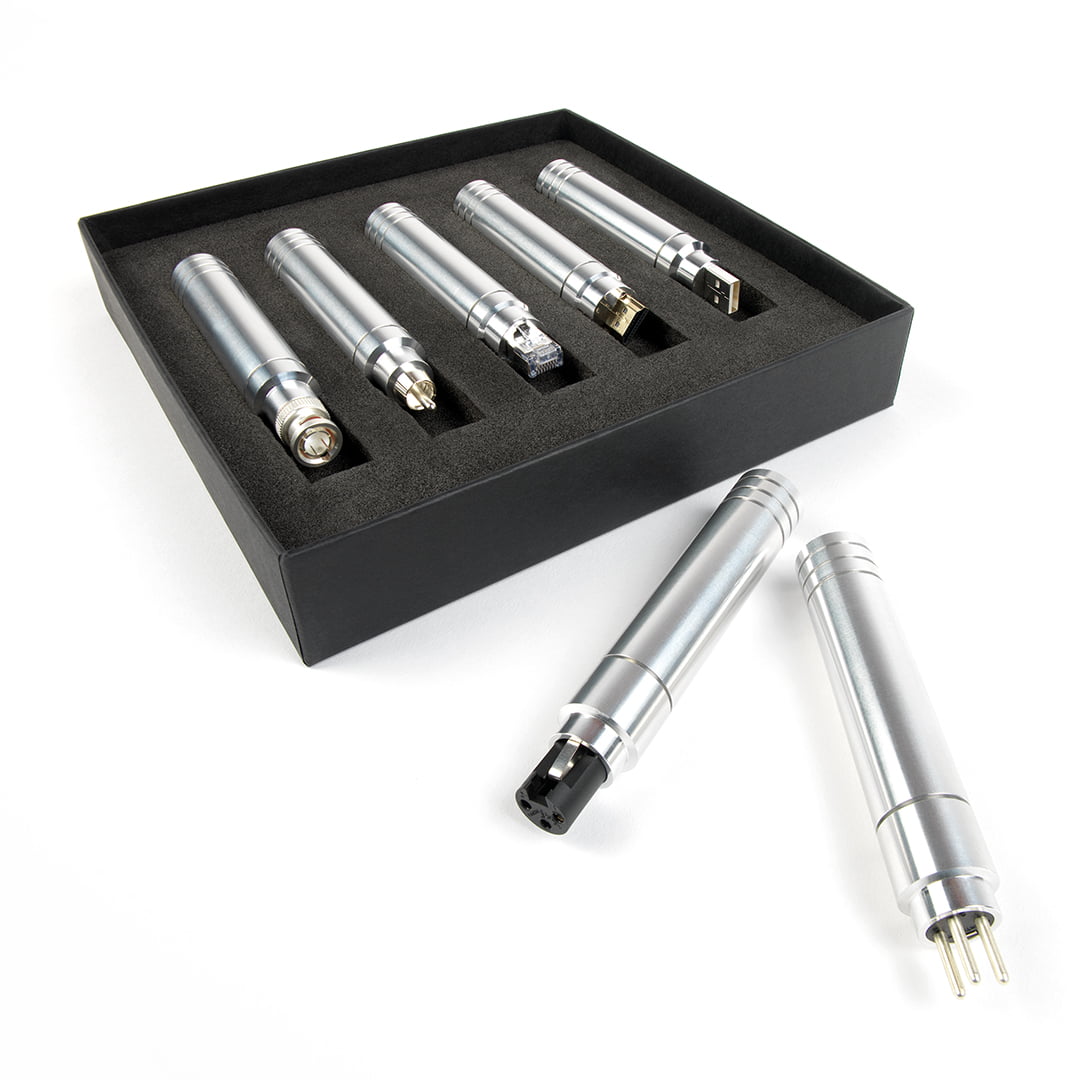
GroundARAY is a cylindrical design made from precision CNC-machined thick-walled aluminium; the thick walls themselves prevent the device from contributing HF noise. Available in several termination options, including USB A, RCA, DIN, XLR, BNC, RJ45, HDMI, for a wide range of digital and analogue devices, GroundARAY benefits from five separate noise-reduction systems, all operating across different HF noise ranges and working in parallel to convert unwanted HF electrical noise into heat.
The advanced technologies provide a very low-impedance, high-bandwidth path that HF noise can pass into, effectively "pulling" noise away from the host equipment's signal ground.
GroundARAY: built from the ground up
Each GroundARAY is carefully built by hand at The Chord Company's Wiltshire factory, including the system components themselves. GroundARAY consists of a series of absorption units connected by a highly advanced dual ultra-high-bandwidth connector system. The connectors are made to a very high standard, requiring time-consuming hand assembly by factory technicians.
Each GroundARAY cylinder is filled with a carefully selected material to dampen noise. The final assembly is then locked into place to reduce any effects from acoustic vibrations.
GroundARAYs are most effective when used across multiple units in a system. The devices are simply inserted into existing empty sockets and can be used individually or in multiples, such as across left and right outputs, etc. With DACs and streamers, GroundARAYs can be used with unused digital inputs; projectors and displays can also benefit from the noise-reducing effects.
Choose options
Would you like to know more?
FAQ

Not a member?